


An anal abscess can cause intense discomfort, making sitting, walking, and ordinary routines difficult. Although drainage may provide relief, some patients experience recurring swelling or discharge near the same area. These repeated symptoms can indicate an underlying fistula rather than a completely healed infection. Understanding when fistula treatment becomes necessary helps patients recognise why temporary symptom relief may not resolve the problem. For adults in Malaysia, timely medical evaluation and appropriate follow-up are important for managing recurrence, protecting surrounding tissues, and maintaining everyday comfort.
Understanding Why Abscesses Sometimes Return
An anal abscess usually develops when a small gland near the anus becomes infected, allowing pus to accumulate beneath surrounding tissues. After drainage, an abnormal passage may occasionally remain between the anal canal and nearby skin. This passage is called an anal fistula and can cause repeated episodes of swelling or discharge. Not every abscess leads to a fistula, but recurring symptoms deserve investigation. Understanding this connection helps patients recognise why repeated courses of medication or temporary drainage may not eliminate an underlying structural problem.
Recognising Signs Of Persistent Infection
A fistula may produce intermittent discharge, local tenderness, skin irritation, or a small opening near the anus. Some patients notice that discomfort improves after fluid drains, only to return several weeks later. Persistent unpleasant odour or staining of underwear can also occur. However, similar symptoms may arise from other skin or anorectal conditions. Fever, rapidly increasing swelling, and severe pain require urgent assessment because they may indicate an active abscess or spreading infection. Recognising these patterns supports appropriate medical attention before further complications develop.
Exploring How Doctors Identify Fistulas
Diagnosis begins with a medical history and careful examination of the affected area. Clinicians may ask about previous abscess drainage, recurring infections, bowel symptoms, and conditions such as Crohn’s disease. An external opening is sometimes visible, although the full fistula pathway may remain unclear. More complicated cases can require magnetic resonance imaging or specialist examination to identify branching tracts and surrounding structures. Accurate mapping matters because treatment must address the abnormal passage while protecting the muscles responsible for bowel control. Not every patient requires extensive imaging.
Understanding Different Surgical Management Options
Most established anal fistulas do not heal permanently through antibiotics or surface dressings alone. Surgical treatment is often necessary, but the appropriate technique depends on the fistula’s location, complexity, and relationship with the anal sphincter muscles. A simple fistula may be suitable for fistulotomy, while complex cases may require a seton, advancement flap, or other sphincter-preserving procedures. Each approach carries benefits and potential complications. Specialist assessment helps patients understand why protecting continence can be as important as achieving fistula closure during treatment planning.
Supporting Healing Through Appropriate Wound Care
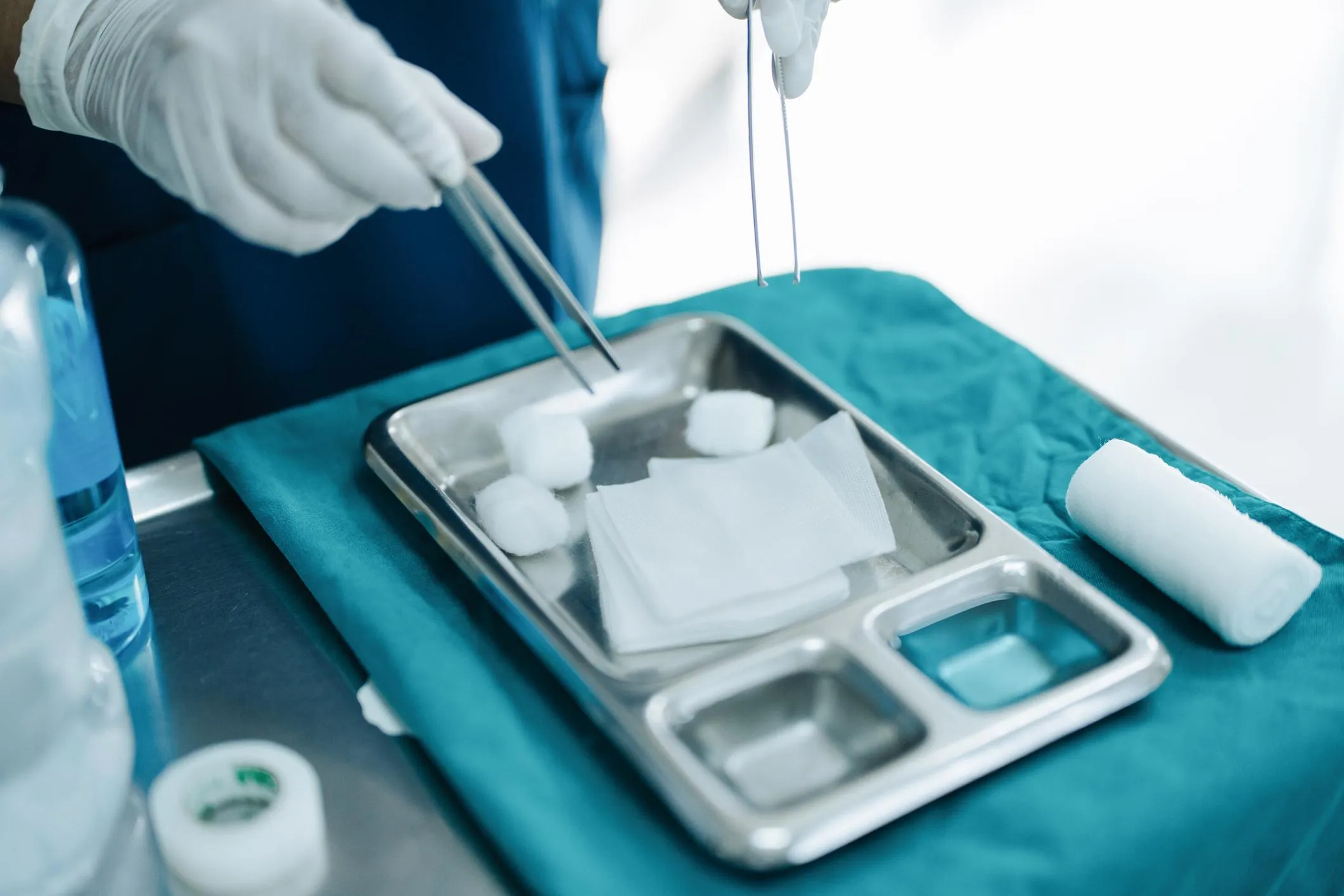
After abscess drainage or fistula surgery, ongoing wound management becomes an important part of recovery. Patients attending a wound care clinic may receive guidance about cleansing, suitable dressings, infection monitoring, and follow-up examinations. The wound may need to heal gradually rather than closing immediately at the surface. Dressing requirements depend on the procedure and wound condition. Patients should avoid applying unfamiliar antiseptics or ointments without medical advice. Consistent care helps identify complications early while supporting a suitable healing environment.
Managing Bowel Habits During Recovery
Comfortable bowel movements can reduce unnecessary irritation during recovery from anorectal procedures. Patients are commonly advised to maintain adequate hydration and consume fibre-rich foods that support regular stools. Malaysian meals can include vegetables, fruit, whole grains, and legumes to improve dietary variety. Straining should be avoided where possible, and prescribed stool-softening medicines should be used according to medical instructions. Gentle cleaning after bowel movements may also improve comfort. However, dietary changes cannot close an established fistula, making follow-up with the treating clinician essential.
Recognising When Healing Needs Reassessment
Recovery time varies depending on the surgical technique, underlying health conditions, and complexity of the fistula. Some discharge may be expected during certain healing stages, but increasing pain, fever, heavy bleeding, or spreading redness warrants prompt assessment. Patients with diabetes or inflammatory bowel disease may require additional attention because these conditions can influence recovery. Repeated drainage after apparent healing should also be investigated rather than dismissed. Attending scheduled appointments allows clinicians to monitor progress, adjust wound management, and identify whether further treatment is necessary.
Conclusion
Recurring anal abscesses should not be treated as isolated infections when symptoms repeatedly return to the same area. Understanding fistula formation, available procedures, and wound management responsibilities helps patients make informed decisions about their care. For adults in Kuala Lumpur seeking information about anorectal conditions and recovery support, wecareclinic.my outlines relevant medical assessment and wound care services. Patients experiencing persistent discharge or repeated swelling should arrange a clinical consultation to establish the cause, discuss appropriate specialist care, and receive individualised guidance for recovery.
