


Living with persistent joint pain can gradually change how people work, exercise, travel, and manage household responsibilities. Some begin exploring regenerative medicine after finding that familiar treatments provide insufficient relief. However, evaluating stem cell therapy advantages and disadvantages requires understanding where such interventions fit within broader medical care. For Malaysian adults managing chronic joint conditions, the most useful approach involves examining established treatment pathways, personal priorities, and practical alternatives. A clear care plan can help patients make decisions without allowing frustration to determine their next medical step.
Understanding How Joint Pain Progresses
Chronic joint pain does not always follow a predictable pattern. Osteoarthritis may develop gradually as changes affect cartilage, bone, and surrounding joint structures. Some individuals experience stiffness after resting, while others notice increasing difficulty with walking or climbing stairs. Symptoms can fluctuate even when underlying structural changes remain. Patients should record which activities trigger discomfort and whether their ability to function has changed. This information helps clinicians understand the practical impact of the condition and investigate possible explanations beyond ordinary age-related changes.
Establishing Personal Goals For Care
Treatment goals should reflect what matters most to the individual rather than focusing exclusively on medical measurements. One patient may want to walk comfortably during work, while another hopes to resume gardening or recreational badminton. These priorities can influence the selection and assessment of suitable interventions. Clinicians may use functional assessments and symptom questionnaires to monitor progress. Patients should also consider which improvements would genuinely change everyday life. Establishing achievable goals creates a clearer basis for discussing treatment options and evaluating whether ongoing care remains worthwhile.
Exploring Established Non-Surgical Options
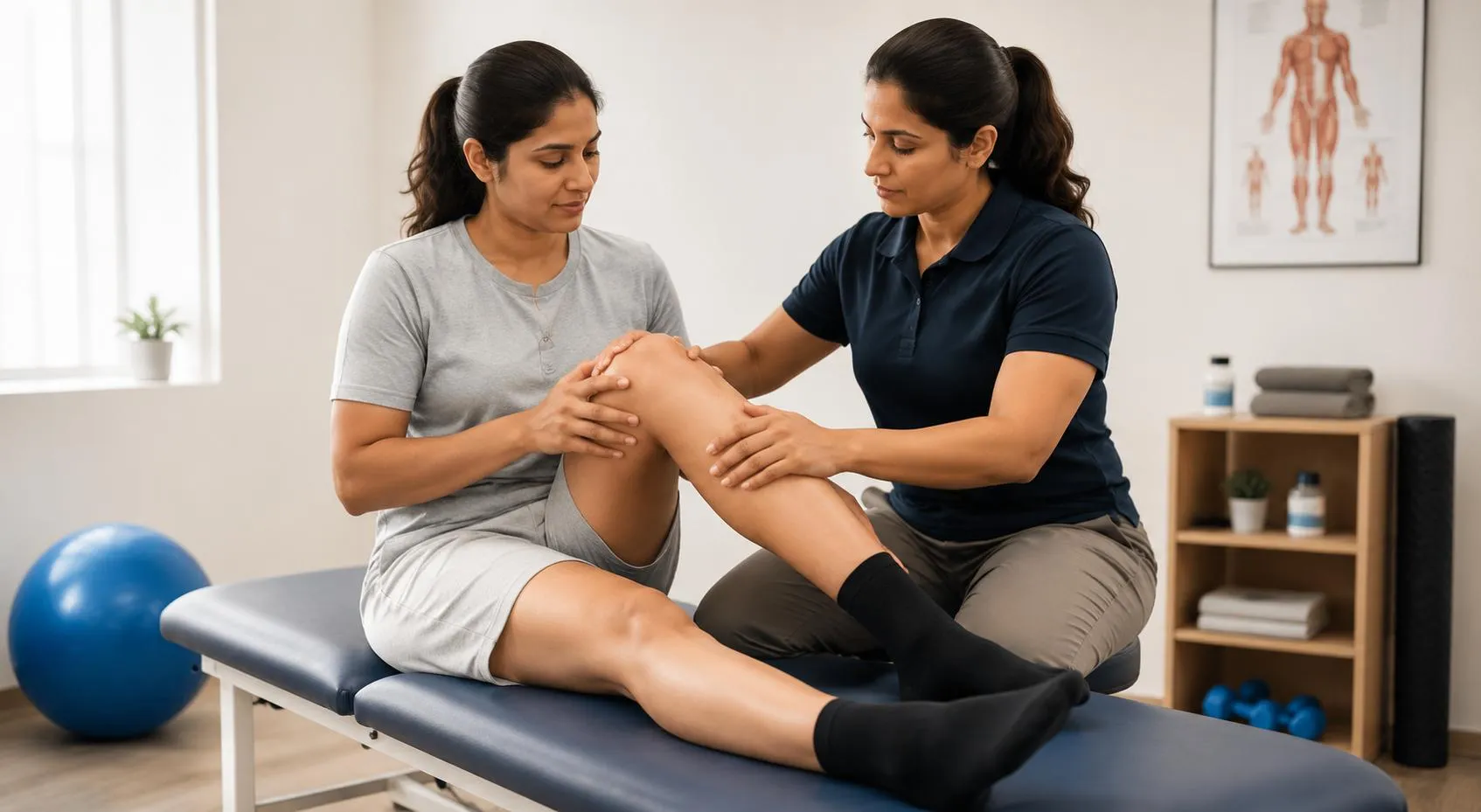
Many people with osteoarthritis can benefit from approaches that do not involve surgery. Individualised strengthening exercises, suitable physical activity, weight management where relevant, and appropriate pain medication are common elements of established care. Physiotherapy can help improve movement and confidence, particularly when symptoms have reduced normal activity levels. Some patients may require assistive devices or changes to demanding daily tasks. These measures cannot reverse every structural problem, but they can support functioning and symptom management. Treatment selection should account for medical history and individual tolerance.
Considering Emerging Regenerative Treatment Approaches
Patients investigating stem cell therapy malaysia may encounter proposals involving mesenchymal stromal cells or other cell-based products. Research into certain joint conditions continues, but many regenerative applications remain investigational rather than established standard treatment. Different preparations and administration methods also complicate comparisons between published studies. Patients should distinguish improvements in pain from claims about cartilage restoration, as these represent different outcomes. A specialist can explain the available evidence and whether participation in appropriately supervised research is relevant to individual circumstances.
Recognising When Specialist Referral Helps
A referral may become appropriate when persistent symptoms interfere substantially with daily activities despite suitable conservative management. Orthopaedic specialists can review clinical findings, examine imaging when indicated, and discuss additional interventions. Some patients may benefit from selected injections, while those with advanced disease might consider joint replacement surgery. Surgical decisions depend on symptom severity, overall health, and individual preferences rather than imaging appearances alone. Understanding the available pathways helps patients avoid viewing experimental procedures as the only remaining option when previous treatments have been disappointing.
Coordinating Care Across Healthcare Providers
People managing chronic joint conditions may receive advice from general practitioners, physiotherapists, orthopaedic specialists, and other healthcare professionals. Keeping an accurate record of diagnoses, medication, investigations, and previous treatment responses helps maintain continuity. Patients should inform every provider about additional interventions they are considering, particularly when treatment plans involve injections or changes to prescribed medication. Uncoordinated care can lead to duplicated investigations and conflicting recommendations. A clearly identified coordinating clinician can help patients understand how individual recommendations contribute to their overall management plan.
Adapting Daily Routines Without Isolation
Persistent discomfort sometimes causes people to withdraw from social activities or abandon exercise entirely. However, prolonged inactivity may contribute to muscle weakness and reduced physical confidence. Appropriate adjustments can help individuals remain engaged with their routines while managing symptoms. Examples include distributing demanding household tasks throughout the day, selecting lower-impact recreation, or using supportive equipment when recommended. Family members can offer practical assistance without encouraging unnecessary dependence. Maintaining enjoyable activities, within medically appropriate limits, supports wellbeing alongside physical treatment and helps preserve independence.
Conclusion
Managing long-term joint discomfort involves more than choosing between individual procedures. Personal goals, established healthcare options, specialist input, and everyday adaptations all contribute to an effective management strategy. Educational resources on advancestemcell.com can help Malaysian readers better understand where emerging regenerative approaches stand within current medical research. Patients experiencing changing mobility or persistent limitations may find it useful to prepare a record of previous treatments and important daily challenges before their next appointment. This creates a practical foundation for developing a coordinated plan centred on sustained function and quality of life.
