


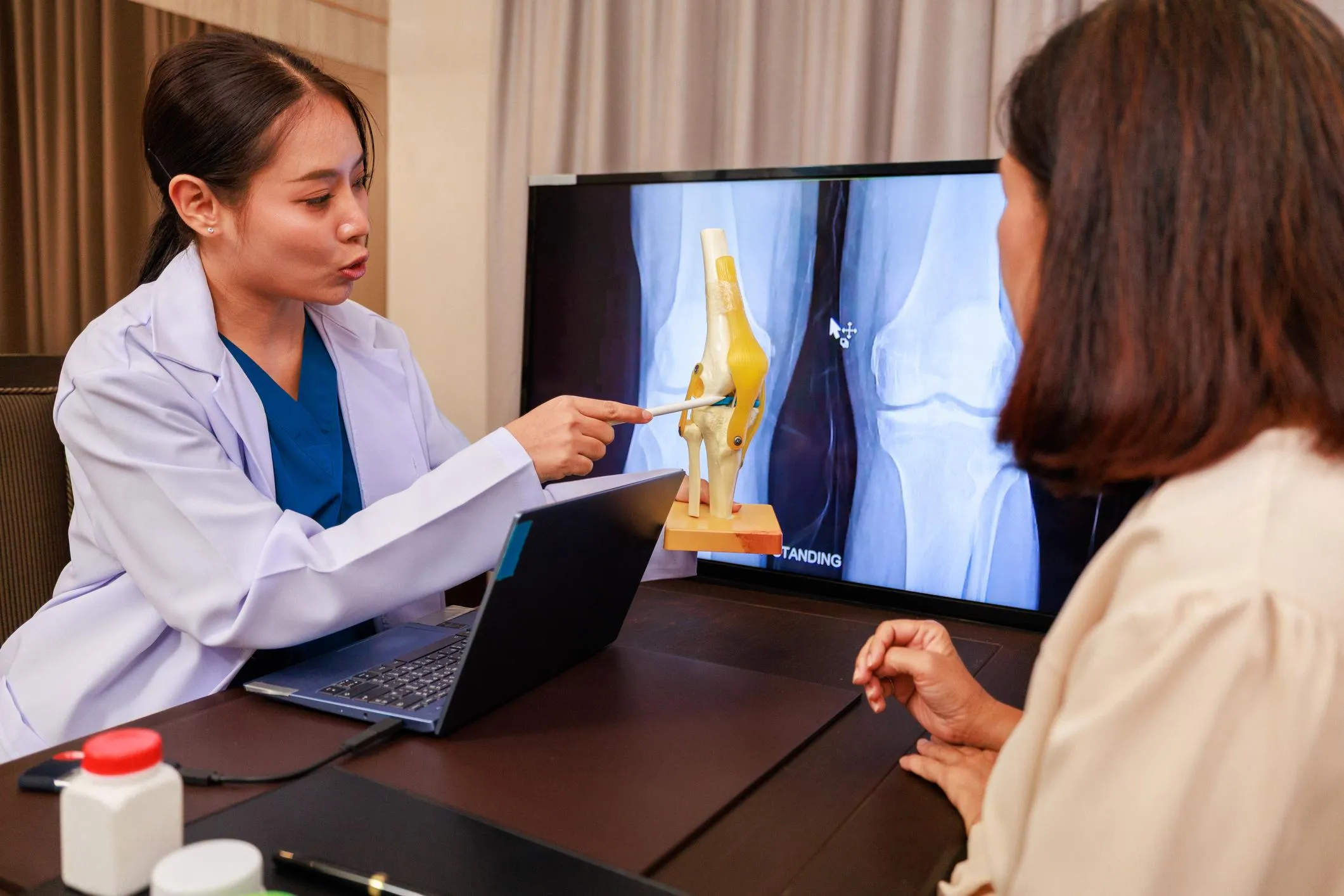
Two patients may hear about similar cell-based procedures yet receive completely different explanations about how treatment is administered. Some proposed interventions involve intravenous infusion, while others use injections into particular anatomical areas. People searching for a stem cell centre kuala lumpur may encounter these methods without understanding their practical differences. The administration route influences where biological material initially travels, which complications require consideration, and how treatment is investigated. Understanding these distinctions helps Malaysian patients interpret procedural descriptions without assuming every cellular intervention works identically.
Intravenous Infusions Enter The Circulation
Intravenous administration introduces a cellular preparation directly into the bloodstream through a vein. This method allows biological material to circulate, but it does not ensure that administered cells reach a particular damaged organ. Research indicates that many intravenously delivered mesenchymal stromal cells initially accumulate within the lungs, with subsequent distribution influenced by multiple biological factors. This behaviour creates important questions about dosing and intended effects. Scientists must examine cellular distribution carefully because entering the bloodstream is not equivalent to achieving a specific therapeutic outcome.
Local Injections Target Particular Areas
Local administration places a preparation closer to the anatomical region being investigated. For example, intra-articular injections deliver material into a joint, while other approaches may involve different tissues. Patients researching a wharton’s jelly injection should clarify whether the proposed product contains living mesenchymal stromal cells, processed tissue, or another biological preparation. These materials are not automatically equivalent. Although local delivery may reduce some distribution challenges, it cannot guarantee that administered cells will integrate into damaged structures or produce meaningful improvement.
Anatomical Precision Requires Clinical Expertise
Delivering a preparation into the intended anatomical space requires appropriate medical training and an understanding of surrounding structures. Depending on the procedure, clinicians may use ultrasound or other imaging guidance to support accurate placement. However, imaging is not necessary for every injection, and its use does not independently establish treatment effectiveness. Anatomical considerations may also influence the possibility of bleeding, infection, or injury to nearby tissues. Patients should understand who performs the procedure and whether the proposed delivery technique is appropriate for their circumstances.
Biological Materials Behave Differently After Administration
Living cells, cell-derived signalling substances, and extracellular vesicles possess different physical and biological characteristics. Their distribution, persistence, and interactions with surrounding tissues may therefore vary considerably. Researchers investigate whether administered cells remain viable, move beyond the initial delivery site, or influence nearby biological processes. These questions cannot be answered simply by describing a product as regenerative. Laboratory investigations and suitable clinical studies are necessary to understand how a particular preparation behaves after administration and whether its observed biological activity has meaningful medical consequences.
Procedure Duration Does Not Predict Effectiveness
A relatively short appointment may appear more convenient than an intervention requiring hospital admission or prolonged observation. However, procedural duration is not a reliable measure of clinical benefit. A brief infusion can involve important monitoring requirements, while a local injection may still carry complications requiring medical attention. Recovery instructions also depend on the patient’s condition and the intervention involved. Patients should avoid interpreting minimal downtime as evidence that a procedure is harmless. Convenience and demonstrated effectiveness are separate considerations when evaluating medical options.
Repeated Administration Raises Additional Questions
Some experimental protocols investigate multiple administrations rather than one procedure. Researchers must determine whether repeated dosing changes biological responses, introduces cumulative complications, or provides measurable advantages. The appropriate interval may depend on the studied product and medical indication. A commercial package offering several sessions does not establish that repeated treatment is necessary or beneficial. Patients should ask what evidence supports the proposed schedule and how outcomes will be assessed between appointments. These questions become especially relevant when additional procedures involve substantial financial commitments.
Choosing Methods Based On Research
The appropriate delivery route is a scientific and clinical question rather than a matter of personal convenience alone. Researchers must consider the target condition, preparation characteristics, anatomical requirements, and available evidence. Results from intravenous administration cannot automatically be applied to local injections, even when the same cell source is involved. Similarly, findings from one disease may not establish effectiveness for another. Understanding the precise research protocol helps patients recognise why treatment descriptions require more detail than broad claims about cellular regeneration or tissue repair.
Conclusion
Administration methods reveal how complex cell-based medical research becomes once biological preparations move beyond the laboratory. Intravenous delivery, local injections, and repeated dosing each raise different scientific and practical questions. The information available on 23cregen.com introduces readers to cellular technologies and their proposed medical applications. Malaysian patients interested in understanding a particular procedure can begin by identifying the exact biological material, intended administration route, and supporting research. These details offer a clearer foundation for interpreting treatment descriptions and discussing their relevance with qualified medical professionals.
