


Climbing a familiar staircase suddenly feels exhausting. A short walk leaves someone unusually breathless, and concentrating during afternoon meetings becomes increasingly difficult. These changes may be blamed on demanding schedules or inadequate sleep, but they can sometimes indicate an underlying health concern. Iron deficiency anemia is one possible explanation, occurring when insufficient iron affects the body’s ability to produce healthy red blood cells. Understanding its symptoms, causes, and treatment options can help adults recognize when persistent tiredness deserves medical investigation rather than repeated attempts to manage it through lifestyle changes alone.
Understanding Iron Deficiency Anemia
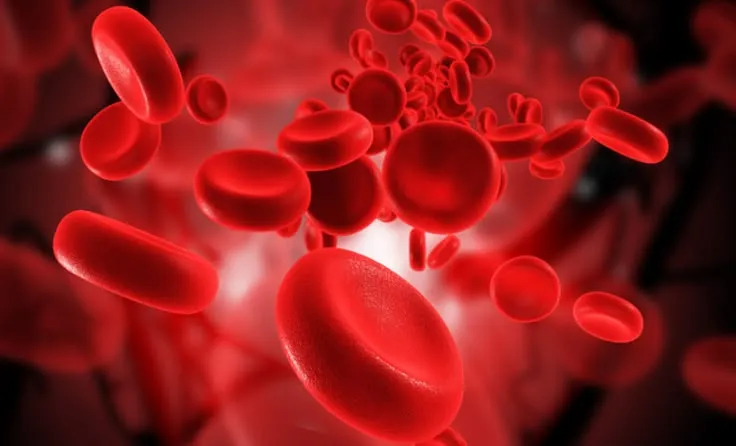
Iron plays an essential role in producing hemoglobin, the protein in red blood cells that carries oxygen throughout the body. When iron stores become depleted, hemoglobin production may decrease, eventually causing anemia. Not everyone with low iron develops anemia immediately. Iron deficiency can exist before blood counts fall below normal levels.
Individuals consulting a Primary care Doctor in Alexandria, VA can discuss persistent symptoms and whether blood testing is appropriate. Medical evaluation helps determine whether iron deficiency is present and identifies possible contributing conditions rather than assuming fatigue automatically indicates anemia.
Symptoms That May Go Unnoticed
Iron deficiency anemia can produce symptoms that develop gradually. Common concerns include fatigue, weakness, dizziness, headaches, pale skin, and shortness of breath during physical activity. Some individuals also notice a rapid heartbeat or unusual cravings for nonfood substances, such as ice. Because these symptoms overlap with other medical conditions, appearance and personal observations cannot confirm a diagnosis.
A person experiencing ongoing exhaustion may have thyroid problems, sleep disturbances, or another condition requiring different treatment. Recording changes in energy, exercise tolerance, and associated symptoms can provide useful information during a medical appointment.
Why Iron Levels Become Low
Iron deficiency may develop when dietary intake is inadequate, iron absorption is reduced, or the body loses blood over time. Heavy menstrual bleeding is one possible cause. Gastrointestinal bleeding, certain digestive disorders, and previous gastrointestinal surgery can also contribute. People following restricted diets may need to pay closer attention to iron intake, although diet alone does not explain every case.
In adult men and postmenopausal women, unexplained iron deficiency anemia can require evaluation for gastrointestinal blood loss. Understanding the underlying cause is particularly important because supplements may improve blood counts without addressing the problem responsible for the deficiency.
Getting an Accurate Diagnosis
Healthcare professionals commonly use a complete blood count to assess hemoglobin and red blood cell characteristics. Additional tests, including ferritin and other iron studies, can help evaluate iron stores. A clinician may also investigate potential sources of blood loss or conditions affecting absorption. Adults exploring Doctors in Owings Mills, MD can review primary care options for evaluating unexplained symptoms and discussing appropriate testing.
First Medical Associates offers adult primary care services, including assessment of general health concerns. Testing decisions should reflect medical history, symptoms, and examination findings instead of relying on supplements as a substitute for diagnosis.
Treatment Beyond Iron Supplements
Oral iron supplements are commonly used to treat confirmed iron deficiency anemia, but the correct dose and schedule depend on individual circumstances. Some patients experience constipation, nausea, or abdominal discomfort. A healthcare professional can suggest adjustments when treatment causes difficulty. Intravenous iron may be considered in selected situations, including poor absorption or intolerance of oral treatment.
Patients should not begin high-dose iron supplements without appropriate guidance. Excess iron can be harmful, and not every type of anemia results from iron deficiency. Treatment also requires addressing the underlying cause whenever possible. Repeated blood testing may be necessary to assess improvement.
Supporting Healthy Iron Intake
Dietary changes can complement medically recommended treatment. Iron-containing foods include lean meats, beans, lentils, fortified cereals, and certain leafy vegetables. Vitamin C can improve absorption of nonheme iron from plant-based foods. Combining beans or fortified grains with vitamin C-rich vegetables may therefore be useful. However, food choices alone may not correct substantial iron deficiency, especially when ongoing blood loss is involved.
Patients should discuss dietary restrictions, supplements, and medication interactions with qualified professionals. A sustainable eating plan should provide balanced nutrition rather than focusing exclusively on increasing one mineral.
Conclusion
Iron deficiency anemia can affect energy, concentration, and physical functioning, but successful treatment begins with identifying its cause. Blood testing, appropriate supplementation, and investigation of possible blood loss can help guide effective care. Persistent symptoms should not be dismissed as ordinary exhaustion, nor should iron supplements replace proper medical evaluation. drsfirst.com provides information about First Medical Associates’ primary care locations and services for adults seeking healthcare support. Understanding individual risk factors and following recommended treatment can help patients address anemia while protecting their long-term well-being.
