


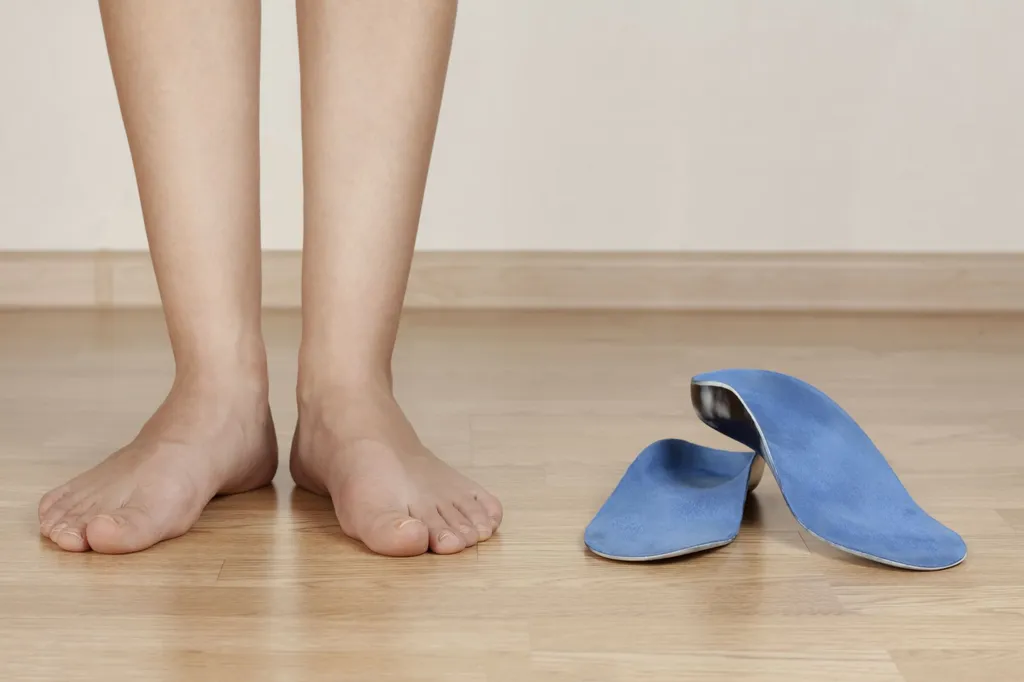
 Foot discomfort is easy to dismiss as a local problem, but the way the feet move can influence how force travels through the ankles, knees, hips, and lower back. When pain changes the way someone stands or walks, other areas may begin compensating.
That does not mean every knee or back problem starts at the feet. A proper assessment is important because pain can have many causes. A Physiotherapist in Camrose can examine movement, joint function, strength, and walking patterns before recommending an appropriate rehabilitation plan.
Why Foot Mechanics Deserve Attention
Each step requires the foot and ankle to absorb load, provide stability, and help push the body forward. Differences in mobility, strength, footwear, activity level, or previous injury can change how this process feels during everyday movement.
Some people notice symptoms only after longer walks, work shifts, running, or standing for extended periods. Others may develop recurring irritation around the heel, arch, ankle, or lower leg. Understanding when symptoms appear gives clinicians useful information about load and movement tolerance.
Assessment Should Look Beyond the Painful Spot
A useful assessment does more than identify where pain is located. It can include joint range of motion, muscle strength, balance, gait, footwear, activity demands, and the way nearby joints contribute during walking or other tasks.
This broader view matters because two people with similar foot pain may need very different strategies. One person may benefit from progressive strengthening, while another may need changes to activity load, mobility work, footwear advice, or support during a particular phase of recovery.
Orthotics Are One Possible Tool
Custom foot orthotics are designed to alter or support how the foot interacts with the ground and footwear. They may be considered when a clinician identifies a mechanical issue that could benefit from additional support during standing, walking, work, or sport.
People looking into Custom Orthotics Camrose should view orthotics as one part of a wider plan rather than an automatic solution for every type of pain. Their usefulness depends on the individual problem, examination findings, footwear, and daily activity demands.
Exercise Still Plays an Important Role
External support does not replace the need for the body to tolerate movement. Rehabilitation may include exercises for the foot, ankle, calf, hip, or trunk depending on what the assessment finds and which activities are difficult.
Progression is usually more useful than doing the same exercise indefinitely. A program may begin with simple strength or balance work and gradually move toward longer walking, lifting, running, stairs, or sport-specific demands as symptoms and function improve.
Footwear Can Change the Way a Plan Works
Even a well-designed rehabilitation strategy can be affected by unsuitable footwear. Shoes vary in shape, stiffness, cushioning, heel height, and the amount of room available for the toes or an orthotic device.
There is no single shoe that is right for everyone. Work requirements, sport, comfort, foot shape, and the type of support being used all matter. When orthotics are prescribed, checking how they fit inside the footwear can be as important as the device itself.
Pay Attention to Patterns, Not Just Pain Levels
Pain intensity alone does not always show whether movement is improving. People can also track walking distance, standing tolerance, balance, ability to use stairs, participation in sport, or how symptoms respond the day after activity.
These practical measures help show whether the rehabilitation plan is moving in the right direction. They also make it easier to adjust exercise volume, activity exposure, or supportive strategies without relying entirely on a single pain score.
When Professional Assessment Makes Sense
Persistent pain, repeated flare-ups, reduced mobility, or difficulty returning to normal activity are reasonable reasons to seek an assessment. Sudden severe pain, major swelling, inability to bear weight, or symptoms after significant trauma may require more urgent medical evaluation.
For less urgent musculoskeletal problems, physiotherapy can help identify contributing factors and build a plan around the person’s goals. The focus should remain on restoring useful movement and gradually improving what the individual needs to do at home, work, or during recreation.
Conclusion
Foot mechanics are only one part of the movement system, but they can influence how people tolerate walking, standing, work, and exercise. The most useful approach is to assess the whole pattern rather than assuming that one structure or one treatment explains every symptom.
A combination of education, appropriate exercise, activity management, footwear decisions, and supportive devices when indicated can create a more practical recovery plan. Individual assessment remains important because the right mix of strategies depends on the person, their symptoms, and the activities they want to return to.
