


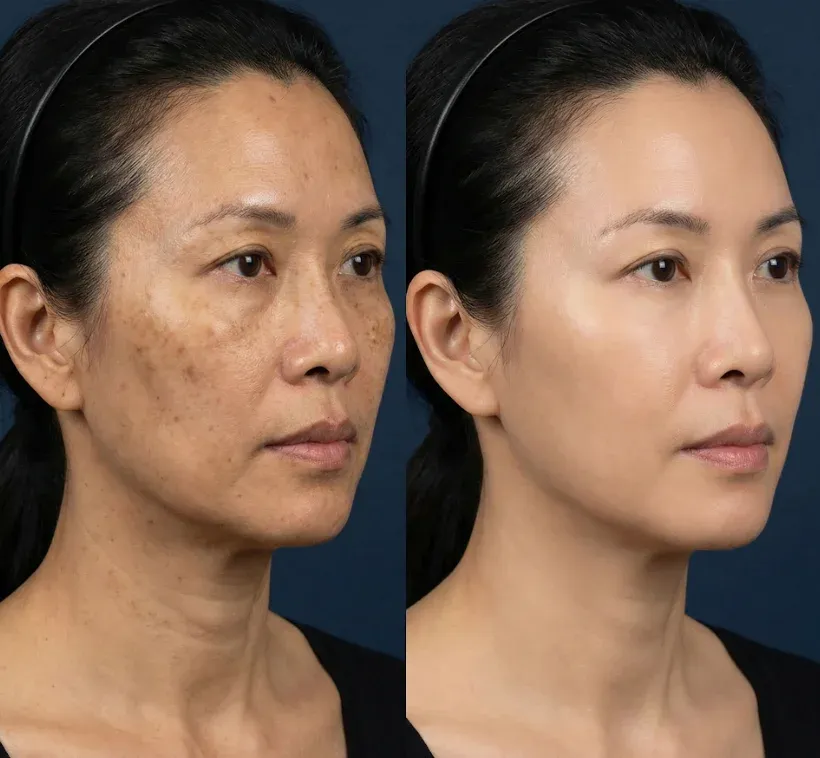
Uneven skin can develop for many reasons, and two concerns that are often confused are acne scars and melasma. Both affect the appearance of the skin, but they develop differently and require different treatment approaches. Acne scars involve changes in skin texture, while melasma mainly causes patches of increased pigmentation.
Because the underlying causes differ, using the same plan for both may lead to disappointing results. A proper skin assessment should identify whether the main issue is scarring, pigmentation or a combination of the two before treatment begins.
Acne Marks and Acne Scars Are Different
After acne clears, it can leave flat brown, grey or reddish marks. These are usually post-inflammatory pigmentation rather than true scars. Actual acne scars involve structural changes in the skin. They may appear as shallow depressions, deeper pits, rolling scars or raised areas. This distinction matters because pigmentation and depressed scars often respond to different treatments.
Where Pico Laser May Help Acne Scars
Patients researching pico laser acne scars malaysia should first determine what type of acne scar they have. Pico Laser may be considered for post-acne pigmentation, mild textural irregularities and selected early scars. Deeper boxcar or rolling scars may need other approaches such as fractional CO2 laser, radiofrequency microneedling or subcision. This means Pico Laser is not automatically the best treatment for every scar. Someone with mainly dark marks may need a different plan from a person with deeper, tethered scars.
Melasma Is Mainly a Pigmentation Condition
Melasma commonly appears as brown or grey-brown patches, often across the cheeks, forehead or other sun-exposed areas. Unlike acne scars, melasma does not usually create pits or depressions. It is a pigment condition influenced by factors such as ultraviolet exposure, hormones, heat and inflammation.
Someone exploring melasma treatment malaysia should therefore expect a longer-term management approach rather than a promise of permanent removal after one procedure. Recurrence is possible, especially when triggers are not controlled.
Why Aggressive Treatment Can Be a Problem
More powerful treatment does not necessarily mean better results, particularly for pigmentation.
Many Malaysian patients have medium to deeper skin tones that may be more prone to post-inflammatory hyperpigmentation after irritation or laser treatment. This makes careful treatment selection important.
Melasma can also respond poorly to unnecessary inflammation. A gradual plan with suitable follow-up may therefore be more appropriate than trying to clear pigment as quickly as possible.
Combination Treatment May Be Necessary
Acne scars rarely look the same across the whole face. One patient may have rolling scars with post-acne pigmentation, while another may have deeper boxcar scars and enlarged pores. Different techniques can therefore be combined according to scar type.
Melasma may also require more than one approach. Depending on the assessment, treatment can combine selected procedures with suitable skincare and consistent sun protection. The aim is to match the treatment to the condition rather than rely on one device for every concern.
Sun Protection Matters for Both Concerns
Sun exposure can make post-acne pigmentation and melasma more noticeable. Broad-spectrum sunscreen with SPF 30 or higher is commonly recommended, particularly around laser treatment. For melasma, regular photoprotection is especially important because repeated exposure can contribute to recurrence. Patients should also follow aftercare advice and avoid introducing strong exfoliating products too quickly after a procedure.
Results Should Be Judged Realistically
Neither acne scars nor melasma should be approached with expectations of perfect skin after one treatment. Scar improvement can take time because treatments that stimulate remodelling rely on gradual changes within the skin. Pigmentation may also require several sessions, particularly when the condition is recurrent. The number of treatments depends on scar type, pigmentation depth, skin response and the procedures selected. Patients should discuss the expected timeline before starting.
Start With the Diagnosis, Not the Device
It can be tempting to choose a procedure based on advertisements for a particular laser. A better approach is to identify what is causing the visible concern first. If the problem is mainly pigmentation, treatment should focus on pigment and its triggers. If structural scarring is present, procedures that address scar depth or tethering may be needed. The device should follow the diagnosis rather than determine it.
Conclusion
Acne scars and melasma can both make skin appear uneven, but they require different treatment strategies. Acne scars involve structural changes, while melasma is primarily a recurrent pigmentation condition.
Pico Laser may be useful in selected cases, especially for pigmentation and mild textural concerns, but it is not the answer to every scar or dark patch. A personalised assessment, realistic expectations, careful treatment selection and consistent sun protection provide a stronger foundation for improving either concern safely.
