


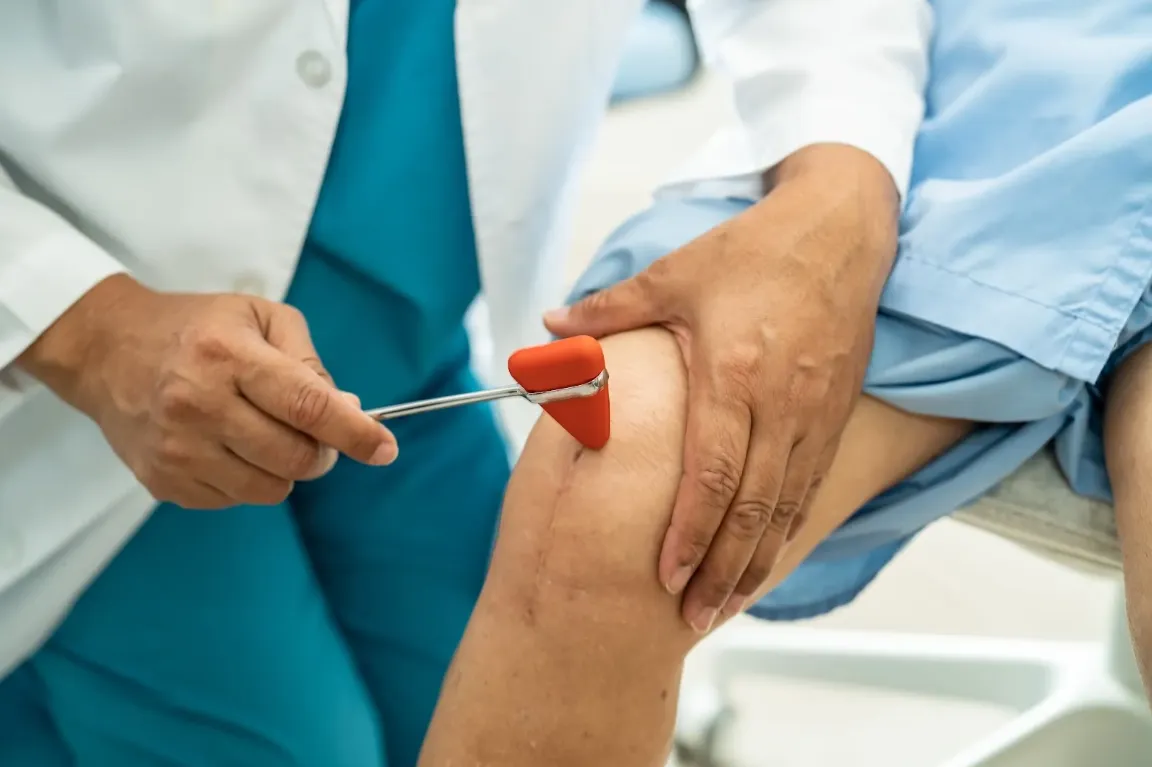
A meniscus tear is one of the most common knee injuries, affecting athletes, active individuals and older adults alike. The meniscus is a C-shaped piece of cartilage that acts as a shock absorber between the thigh bone and shin bone, helping distribute weight and stabilize the knee. When it becomes torn, it can lead to pain, swelling, stiffness and difficulty performing everyday activities. If you’ve been diagnosed with a meniscus tear, you are wondering whether surgery is necessary or if a non-surgical option like stem cell therapy could help. While both treatment approaches have an important role in orthopedic care, they are intended for different types of meniscus injuries and patient profiles.
Meniscus surgery is performed to repair or remove damaged portions of the meniscus when mechanical symptoms or significant tears interfere with knee function. Stem cell therapy is a regenerative treatment that uses cells obtained from the patient’s own bone marrow to support the body’s natural healing response. It helps reduce pain and improve function in appropriately patients, but it is not a substitute for every surgical meniscus repair. The most appropriate treatment depends on the type of tear, its location, the severity of symptoms, knee stability, age, activity level and overall joint health. Understanding the differences between these treatment options can help you make an informed decision with your orthopedic specialist.
Quick Comparison
|
Feature |
Meniscus Surgery |
Stem Cell Therapy |
|
Procedure |
Arthroscopic surgery |
Regenerative injection procedure |
|
Hospital Stay |
Usually day-care surgery |
Typically outpatient |
|
Anesthesia |
General, spinal or regional anesthesia |
Local anesthesia with or without mild sedation |
|
Incisions |
Small surgical incisions |
No surgical incision |
|
Recovery |
Several weeks to months |
Generally shorter recovery |
|
Best Suited For |
Mechanical tears requiring repair or removal |
meniscus injuries and early joint degeneration |
|
Primary Goal |
Repair or remove damaged meniscus tissue |
Support the body’s natural healing response |
|
Uses Patient’s Own Cells |
No |
Yes |
What Is Meniscus Surgery?
Meniscus surgery is usually performed using arthroscopy, a minimally invasive technique that allows the orthopedic surgeon to examine and treat the inside of the knee through small incisions. Depending on the type and location of the tear, the surgeon performs a meniscus repair, where the torn tissue is stitched together, or a partial meniscectomy, where only the damaged portion of the meniscus is removed while preserving as much healthy tissue as possible. The choice of procedure depends on several factors, including the pattern of the tear, blood supply to the injured area, patient age and activity level. Although arthroscopic surgery is less invasive than open surgery, it still carries potential risks such as infection, blood clots, stiffness, persistent pain, nerve injury and the possibility that symptoms continue despite treatment. Potential benefits of meniscus surgery include:
-
Relief from pain caused by mechanical tears
-
Improved knee function
-
Reduced locking or catching sensations
-
Restoration of joint stability in cases
-
Ability to return to daily activities and sports after rehabilitation
-
Preservation of healthy meniscal tissue whenever possible
What Is Stem Cell Therapy?
Stem cell therapy is a regenerative orthopedic treatment that uses cells obtained from the patient’s own bone marrow, and then injected into the affected area under image guidance. The goal of stem cell therapy is to support the body’s natural healing processes, reduce inflammation and improve knee function in appropriately patients. It is not intended to mechanically repair large displaced meniscus tears or replace surgery when the knee has significant mechanical symptoms. A typical stem cell procedure includes:
-
Bone marrow aspiration
-
Processing and concentration of regenerative cells
-
Preparation of the injectate
-
Image-guided injection into the knee
-
Personalized rehabilitation and follow-up
When Is Meniscus Surgery Recommended?
Meniscus surgery is generally recommended when the tear causes mechanical symptoms that are unlikely to improve with conservative treatment alone. Before recommending surgery, an orthopedic specialist evaluates the patient’s symptoms, physical examination findings, MRI results and overall knee health. Common indications include:
-
Large or displaced meniscus tears
-
Bucket-handle tears
-
Knee locking or catching
-
Persistent pain despite rehabilitation
-
Meniscus tears associated with ACL injuries
-
Tears causing significant knee instability
-
Active individuals requiring restoration of knee function
When Might Stem Cell Therapy Be Considered?
Stem cell therapy is considered for patients who wish to explore non-surgical knee pain treatment options before surgery becomes necessary. Large unstable tears, displaced fragments and tears causing knee locking generally require surgical evaluation. It is appropriate for:
-
Degenerative meniscus tears
-
Small or stable meniscus injuries
-
Early knee osteoarthritis associated with meniscal degeneration
-
Persistent symptoms despite conservative treatment
-
Patients seeking joint preservation strategies
-
Individuals who not be ideal surgical candidates
Benefits Comparison
|
Category |
Meniscus Surgery |
Stem Cell Therapy |
|
Primary Benefit |
Repairs or removes damaged meniscal tissue |
Reduces pain and improve function in patients |
|
Invasiveness |
Minimally invasive surgery |
Non-surgical injection procedure |
|
Joint Preservation |
Preserves healthy meniscus whenever possible |
Preserves the natural joint without surgery |
|
Recovery |
Rehabilitation required for several weeks or months |
Generally shorter recovery |
|
Risks |
Surgical and anesthesia-related risks |
Temporary soreness or swelling after treatment |
Recovery: Meniscus Surgery vs Stem Cell Therapy
Recovery following meniscus surgery depends on the procedure performed. Patients undergoing a meniscus repair usually require a longer rehabilitation period because the repaired tissue needs time to heal. Weight-bearing and activity initially be restricted, followed by a structured physical therapy program to restore knee strength, flexibility and stability. Patients who undergo a partial meniscectomy often recover more quickly, although rehabilitation remains important for restoring normal movement and preventing future knee problems. Stem cell therapy is generally performed as an outpatient procedure, allowing patients to return home the same day. Since there is no surgical repair or tissue removal, recovery is typically shorter than after surgery. Most patients gradually return to daily activities under the guidance of their orthopedic specialist while following a personalized rehabilitation program. A shorter recovery does not necessarily mean stem cell therapy is the better option. The most appropriate treatment depends on the nature of the meniscus injury and the overall condition of the knee.
Can Stem Cell Therapy Replace Meniscus Surgery?
This is one of the most frequently asked questions by patients with meniscus injuries. Stem cell therapy is not a replacement for surgery when the knee has significant mechanical problems such as locking, displaced meniscus tears or large bucket-handle tears. These conditions often require surgical repair or removal of the damaged tissue to restore normal knee function. However, regenerative treatments have a role in degenerative meniscus injuries, smaller stable tears and patients with early joint degeneration who are appropriate candidates for non-surgical care. The decision should always be based on a comprehensive clinical evaluation rather than assuming surgery can always be avoided.
What Does the Research Say?
Meniscus surgery has long been an established treatment for mechanical meniscus injuries that interfere with knee function. Surgical repair remains the preferred option whenever the tear is repairable, as preserving the meniscus helps protect long-term joint health. Research into stem cell therapy continues to evolve. Early studies suggest that regenerative treatments help reduce pain and improve function in patients with degenerative meniscus injuries and early osteoarthritis. However, current evidence does not support stem cell therapy as a replacement for surgery in patients with large unstable tears or mechanical knee symptoms requiring surgical correction.
Cost Considerations
Treatment costs vary depending on the severity of the injury, the procedure performed and the rehabilitation required. Meniscus surgery involves costs related to the surgical procedure, anesthesia, hospital care, imaging, medications and post-operative physical therapy. Stem cell therapy is generally performed as an outpatient procedure and does not require hospitalization or surgical implants. Costs typically include consultation, imaging, bone marrow aspiration, laboratory processing, image-guided injections and rehabilitation. Patients should discuss expected costs, treatment goals and realistic outcomes with their orthopedic specialist before deciding on a treatment plan.
How Do You Decide?
Choosing between meniscus surgery and stem cell therapy requires an accurate diagnosis rather than selecting the least invasive treatment. Patients with mechanical tears causing locking or instability often benefit from surgical treatment, while patients with degenerative tears or early joint changes are candidates for regenerative therapies. An orthopedic specialist will typically evaluate:
-
Medical history
-
Physical examination
-
MRI findings
-
Type and location of the meniscus tear
-
Presence of arthritis
-
Knee stability
-
Activity level
-
Lifestyle and long-term goals
Conclusion
Meniscus surgery and stem cell therapy are not competing treatments but different approaches designed for different clinical situations. Meniscus surgery remains the standard treatment for large, unstable or mechanically symptomatic tears that require repair or removal, while stem cell therapy is considered for patients with degenerative meniscus injuries or early joint degeneration who wish to explore non-surgical treatment options. The most appropriate treatment depends on the type of meniscus tear, imaging findings, knee stability, symptoms, activity level and overall joint health. A thorough orthopedic evaluation is essential to determine the best treatment strategy for each individual.
At RegenOrthoSport, Dr. Venkatesh Movva performs comprehensive assessments of meniscus injuries to determine whether regenerative treatments such as Bone Marrow Concentrate (BMAC), Platelet-Based Therapies or other non-surgical options are appropriate. When surgery offers the best chance of restoring knee function, patients are guided accordingly. Every treatment recommendation is personalized to help patients achieve long-term pain relief, improved mobility and optimal joint health.
Frequently Asked Questions (FAQs)
1. Is stem cell therapy better than meniscus surgery?
Neither treatment is universally better. Meniscus surgery is generally recommended for tears that cause mechanical symptoms such as locking or instability, while stem cell therapy is considered for degenerative or stable meniscus injuries.
2. Can stem cell therapy heal a torn meniscus?
Stem cell therapy helps support the body’s natural healing response and improves symptoms in patients. However, it is not considered a replacement for surgery in large, displaced or mechanically unstable meniscus tears.
3. When is meniscus surgery recommended?
Meniscus surgery is commonly recommended for bucket-handle tears, large unstable tears, knee locking, persistent pain despite conservative treatment and tears associated with ligament injuries.
4. Who is a good candidate for stem cell therapy?
Stem cell therapy is appropriate for patients with degenerative meniscus tears, early osteoarthritis, stable meniscus injuries or those exploring non-surgical treatment options after a comprehensive orthopedic evaluation.
5. Does stem cell therapy use my own cells?
Yes. Orthopedic stem cell therapy typically uses cells obtained from the patient’s own bone marrow, which are processed before being injected into the affected knee.
6. Can stem cell therapy replace meniscus surgery?
Not always. Stem cell therapy cannot repair large displaced meniscus tears or resolve mechanical problems such as knee locking that often require surgical treatment.
7. How long does recovery take after meniscus surgery?
Recovery depends on the type of surgery performed. Meniscus repairs generally require a longer rehabilitation period than partial meniscectomy, with recovery ranging from several weeks to several months.
8. How long does recovery take after stem cell therapy?
Recovery is generally shorter than after surgery. Most patients gradually return to daily activities while following a personalized rehabilitation program recommended by their orthopedic specialist.
9. Is meniscus surgery painful?
Some discomfort is expected after surgery, but pain is usually managed with medications, rehabilitation and gradual return to activity.
10. Is stem cell therapy painful?
Patients experience mild discomfort during bone marrow aspiration and temporary soreness after the injection. These symptoms are usually short-lived.
11. What are the risks of meniscus surgery?
Potential risks include infection, bleeding, stiffness, blood clots, nerve injury, persistent pain and the possibility of additional surgery if symptoms continue.
12. What are the risks of stem cell therapy?
Possible side effects include temporary soreness, swelling, bruising or discomfort at the aspiration or injection site. As with any injection procedure, there is a small risk of infection.
13. Can I return to sports after meniscus surgery?
Many patients successfully return to sports after completing rehabilitation. The timeline depends on the type of tear, the surgical procedure performed and individual recovery.
14. Can I return to sports after stem cell therapy?
Return to sports depends on the severity of the injury, healing progress and your orthopedic specialist’s recommendations. Rehabilitation plays an important role in recovery.
15. Is physical therapy necessary after meniscus surgery?
Yes. Physical therapy is an essential part of recovery to restore knee strength, flexibility, stability and overall function.
16. Will I need rehabilitation after stem cell therapy?
Yes. A structured rehabilitation program often helps optimize healing and improve knee function following stem cell treatment.
17. How do doctors decide between meniscus surgery and stem cell therapy?
The decision is based on several factors, including the type and location of the tear, MRI findings, knee stability, symptoms, presence of arthritis, activity level and the patient’s treatment goals.
18. Can stem cell therapy be combined with meniscus surgery?
In cases, regenerative treatments are considered alongside surgical procedures as part of an individualized treatment plan. Your orthopedic specialist can determine whether this approach is appropriate.
19. Is every meniscus tear treated with surgery?
No. Many small, stable or degenerative meniscus tears can often be managed with non-surgical treatment depending on symptoms, knee function and imaging findings.
20. Why choose RegenOrthoSport for meniscus treatment?
At RegenOrthoSport, Dr. Venkatesh Movva performs a thorough evaluation of every meniscus injury before recommending treatment. Depending on the diagnosis, options include Bone Marrow Concentrate (BMAC), platelet-based regenerative therapies, structured rehabilitation or referral for arthroscopic surgery when clinically indicated. Every treatment plan is personalized to help patients achieve long-term pain relief, improved mobility and optimal knee function.
