


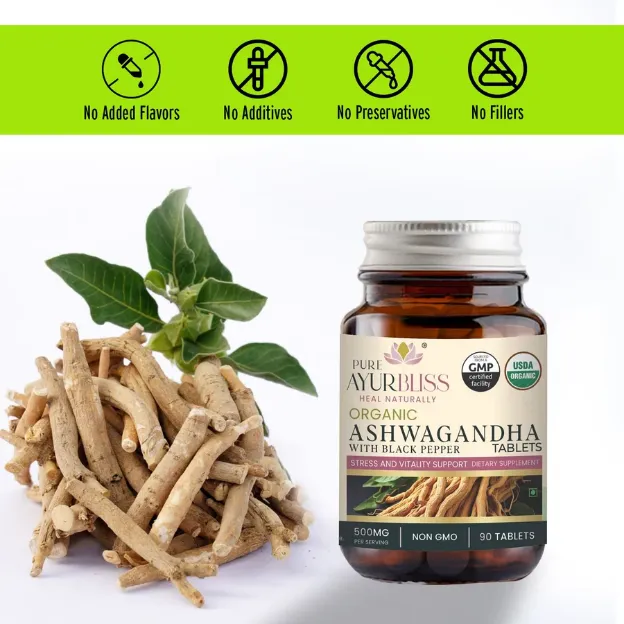
Imagine ending a demanding workday with unfinished tasks, constant notifications, and little time to relax. For many people, maintaining a healthy routine has become difficult because professional responsibilities and personal commitments compete for attention. This has encouraged interest in traditional herbs that have long been associated with everyday wellness, including Ashwagandha.
Known by its botanical name Withania somnifera, Ashwagandha is an herb used in Ayurveda. Its roots are commonly used in traditional preparations, while modern products are available in different forms. People exploring ways to support their wellness routines may also consider whether to buy ayurvedic supplements after understanding their ingredients, quality, and intended use.
However, an herbal supplement should not be treated as an instant solution to stress, tiredness, or sleep difficulties. Understanding its traditional applications, available research, and practical considerations helps consumers make more informed decisions.
A Traditional Herb With A Distinct Identity
Ashwagandha has an established place in Ayurvedic practices, where it has traditionally been classified as a Rasayana herb. This category includes preparations associated with supporting general well-being and vitality. Its roots contain naturally occurring compounds called withanolides, which are studied for their potential biological activities.
Modern research has examined Ashwagandha in connection with stress responses, sleep quality, and certain aspects of physical performance. Some clinical studies have reported promising findings, particularly for stress and sleep, although the results depend on the extract, dosage, and duration of use.
It is important to distinguish traditional use from scientifically established outcomes. Research is still developing, and findings from specific standardised extracts cannot automatically be applied to every Ashwagandha preparation available in the market.
What To Understand Before Selecting A Capsule
Supplement formats can influence how easily a product fits into an individual’s schedule. Powders allow flexible preparation, while capsules offer convenience for people who prefer a pre-measured serving. The choice often depends on personal preference, product composition, and ease of use.
An Ashwagandha capsule may contain root powder, a concentrated root extract, or a combination of ingredients. These preparations are not necessarily equivalent. Their withanolide concentrations and extraction methods can vary, making it important to read the product label rather than judge quality by the name alone.
Consumers should also examine the recommended serving, ingredient list, manufacturer details, and available quality-testing information. A transparent label makes it easier to understand what a product contains and whether its formulation matches the intended use.
Ashwagandha’s Place In Stress Management
Stress can influence several parts of everyday life. A person experiencing prolonged pressure may notice changes in sleep patterns, concentration, energy levels, and emotional balance. While lifestyle adjustments remain important, some adults explore herbal supplements as an additional part of their wellness approach.
Ashwagandha has attracted attention because certain studies suggest that specific preparations may help reduce perceived stress and influence cortisol levels. Cortisol is a hormone involved in the body’s response to stress. However, individual responses can differ, and supplements should not replace professional care for persistent stress or anxiety.
A balanced routine remains essential. Regular physical activity, consistent sleep schedules, nutritious meals, and relaxation practices provide a stronger foundation for managing daily pressure. An herbal supplement, where appropriate, should complement these habits rather than become their replacement.
The Benefits Without Exaggerated Claims
Interest in Ashwagandha tablet benefits often comes from research exploring its possible relationship with stress, sleep, and physical performance. Some studies suggest that selected preparations may support improvements in perceived stress and sleep quality. Research has also examined its potential effects on strength and exercise recovery.
However, these findings should be interpreted carefully. Studies often involve specific extracts, controlled quantities, and relatively short observation periods. A result associated with one preparation does not guarantee the same outcome from another tablet or capsule.
Ashwagandha is also not a substitute for treating an underlying health condition. People experiencing persistent fatigue, sleep disturbances, or unexplained changes in mood should consider professional evaluation. Identifying the underlying cause is more useful than relying on supplements without understanding the problem.
The Importance of Product Quality And Transparency
Two supplements carrying the same herbal name may differ considerably in composition. One product might contain a standardised extract, while another could use ordinary root powder. These differences can affect the concentration of active compounds and make direct comparisons difficult.
Reliable manufacturers should provide clear ingredient information, batch identification, manufacturing details, and appropriate quality documentation. Consumers can also check whether the product mentions the plant part used and whether the extract has been standardised for particular compounds.
Price alone is not a dependable measure of quality. Extremely inexpensive products may provide limited information, while expensive packaging does not automatically indicate superior formulation. Checking the details behind a product is a more sensible way to assess its suitability.
Safety Considerations Before Starting A Routine
Natural ingredients can still produce side effects or interact with medicines. Ashwagandha may cause digestive discomfort, drowsiness, or other unwanted reactions in some individuals. Rare cases of liver injury have also been reported, making awareness of potential risks important.
People with thyroid or autoimmune conditions, liver disorders, or those taking medication for blood pressure, blood sugar, or immune-related conditions should consult a healthcare professional before considering Ashwagandha. It may also interact with sedatives and certain other medicines.
Ashwagandha is generally not recommended during pregnancy or breastfeeding. It should also be discontinued and medical advice sought if symptoms such as yellowing of the skin, dark urine, or unusual abdominal discomfort develop. Professional guidance is especially important when using concentrated herbal extracts.
Conclusion
Ashwagandha offers an interesting example of how traditional herbal practices continue to attract attention in contemporary wellness discussions. Its potential applications are being investigated, but product differences, individual health conditions, and the limits of current research deserve equal consideration. Understanding Ashwagandha tablet benefits can help consumers explore its potential role in a balanced wellness routine.
Before introducing it into a routine, examine the formulation, understand the possible risks, and seek professional advice when necessary. A thoughtful purchasing decision should prioritise transparency and suitability instead of relying on impressive promises or popular trends.
For those exploring traditional herbal wellness products, PureAyurBliss provides an opportunity to discover available Ayurvedic options and learn more about different formulations. Choosing carefully and maintaining realistic expectations can make herbal wellness a more informed part of everyday life.
