


When women in Jeddah look for information about Mifepristone and Misoprostol, they often find confusing or incomplete details online. Some websites discuss dosage, while others focus only on side effects — but what’s missing is a clear, practical explanation of how these medicines work together, how to use them safely, and why medical supervision is essential.
This article provides a complete understanding of Mifepristone and Misoprostol, their purpose, and the safe, medically supported ways they are used in Jeddah.
What Are Mifepristone and Misoprostol?
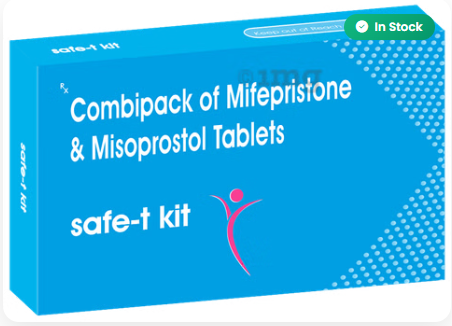
Mifepristone and Misoprostol (Cytotec) are two important medicines used together for early medical abortion and miscarriage management.
- Mifepristone (200 mg) works by blocking progesterone, the hormone that helps maintain pregnancy.
- Misoprostol (200 mcg) helps the uterus contract and expel pregnancy tissue.
When combined, these medicines provide a safe and effective way to end an early pregnancy — with a success rate of over 95% when used under medical supervision.
In Jeddah, Cytotec (Misoprostol) is legally registered for stomach ulcer prevention, but licensed gynecologists and hospitals also use it for women’s reproductive care when medically necessary.
How the Medical Abortion Process Works
The process usually happens in two main steps:What are abortion pills
- Step 1: Mifepristone (200 mg) is taken orally. It stops the body from supporting the pregnancy.
- Step 2: Misoprostol (800 mcg total) is taken 24–48 hours later. It causes uterine contractions, leading to cramping and bleeding similar to a natural miscarriage.
Within 4–6 hours after taking Misoprostol, bleeding and tissue passage begin. Some doctors may recommend a second dose if needed, but this must always be done with medical guidance.
After the process, a follow-up ultrasound is essential to confirm that the uterus is clear and the abortion is complete.
Availability of Mifepristone and Misoprostol in Jeddah
In Saudi Arabia, Mifepristone and Misoprostol are available only through licensed hospitals and clinics for approved medical purposes. Cytotec can be found in pharmacies, but it is officially sold for treating stomach ulcers, not for abortion.
Because of this, women should avoid buying these medicines from unverified online sources or individuals. Counterfeit or low-quality pills can cause dangerous complications.
If you are in Jeddah and need these medications for a medical reason, it’s best to visit an authorized gynecologist or a women’s health clinic that can prescribe and supervise treatment safely.
Why Medical Guidance Is Important
Every woman’s body is unique. The right dosage, timing, and method depend on your health condition and the stage of pregnancy. Self-medicating without a doctor’s direction can lead to:
- Incomplete abortion (retained tissue in the uterus)
- Excessive bleeding or infection
- Hormonal imbalance
- Damage to the cervix or uterus
Medical supervision ensures that your safety is protected, and that any side effects are properly managed.
Possible Side Effects
Most women experience mild to moderate side effects, which usually indicate that the medicines are working.
Common effects include:
- Cramping and uterine pain
- Vaginal bleeding or clot passage
- Nausea or vomiting
- Diarrhea
- Mild fever or fatigue
These usually last for a short time. However, if you experience heavy bleeding, severe pain, or fever lasting more than 24 hours, seek medical care immediately.
Incomplete Abortion — What to Watch For
Sometimes, if the medication doesn’t completely empty the uterus, it can lead to an incomplete abortion. Warning signs include:
- Bleeding that lasts longer than two weeks
- Foul-smelling discharge
- Fever or persistent pain
- Continued positive pregnancy test
Doctors in Jeddah can confirm this with an ultrasound and offer safe treatment options like another dose under supervision or a minor procedure (Manual Vacuum Aspiration).
Aftercare and Recovery
After using Mifepristone and Misoprostol, recovery is both physical and emotional.
Physical care tips:
- Rest for a few days after bleeding begins
- Drink plenty of water and eat nutritious food
- Avoid intercourse and tampons until bleeding stops
- Schedule a follow-up appointment
Emotional care:
Hormonal shifts can cause mood changes or sadness. It helps to talk to a trusted friend, counselor, or women’s health professional who can support you through recovery.
Frequently Asked Questions
Can I use Misoprostol (Cytotec) alone?
It can work but is less effective. The combination with Mifepristone gives better and safer results.
How long does bleeding last?
Typically one to two weeks. If it continues heavily beyond that, consult a doctor.
When will my next period start?
Usually within four to six weeks after the procedure.
Is it safe to buy abortion pills online?
No. Pills from unverified sellers can be fake or expired. Always use licensed medical sources.
Can I get pregnant again later?
Yes. Fertility returns quickly — even within two weeks — so use contraception if you don’t wish to conceive immediately.
Final Thoughts
Mifepristone and Misoprostol in Kuwait are trusted, effective medicines when used correctly under medical supervision. In Jeddah, they are available for legitimate medical use through authorized hospitals and clinics.
The most important thing to remember is this: your health and safety come first. Never take these pills without a doctor’s direction, and always confirm that your medication is 100% original and approved.
Safe reproductive care begins with accurate information, trusted medical guidance, and respect for your wellbeing
Mifepristone and Misoprostol in Jeddah, Cytotec in Jeddah, safe medical abortion in Saudi Arabia, abortion pills information, women’s health in Jeddah.
