


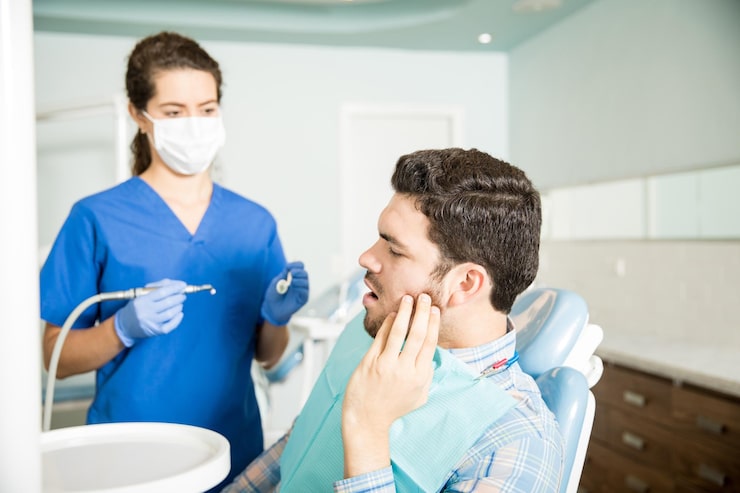
A dental abscess is a severe oral infection that develops when bacteria invade the pulp of a tooth or surrounding gum tissue, leading to the formation of pus. This condition is not only excruciating but can also become dangerous if left untreated, as the infection may spread to the jaw, neck, or even other parts of the body. Recognizing the problem early and taking appropriate steps can help reduce discomfort and prevent complications until professional treatment is available.
If symptoms arise suddenly, contacting a qualified dentist in Lake Mary or a trusted local provider should be a top priority. While home care measures can provide temporary relief, they cannot eliminate the infection itself. Prompt professional evaluation ensures the underlying cause is effectively addressed.
Because abscesses can escalate quickly, many cases require urgent intervention through emergency dental care to prevent infection spread and preserve oral health. Delaying treatment increases the risk of severe pain, tissue damage, and systemic illness, making immediate attention essential.
Recognizing the Signs and Symptoms
Understanding the symptoms of a dental abscess helps individuals respond quickly and appropriately. Pain is typically the most prominent feature and may be constant, throbbing, or sharp. It can radiate to the jaw, ear, or neck, making it difficult to pinpoint the exact source.
Other common symptoms include swelling of the gums or face, redness, sensitivity to hot and cold, and discomfort when biting or chewing. Some individuals may notice a bad taste in the mouth due to drainage of pus, while others may develop fever, fatigue, or swollen lymph nodes.
In advanced cases, difficulty opening the mouth, swallowing, or breathing may occur, signs that require immediate medical attention.
Immediate Steps to Reduce Pain and Swelling
While waiting for professional care, several measures can help alleviate discomfort and control inflammation. Over-the-counter pain relievers such as ibuprofen or acetaminophen can reduce pain and swelling when used as directed.
Applying a cold compress to the outside of the cheek for 15–20 minutes at a time helps constrict blood vessels and numb the area, providing temporary relief. It is important to avoid applying heat externally, as warmth can sometimes increase swelling.
Resting with the head elevated can also reduce pressure in the affected area, minimizing throbbing sensations that often worsen when lying flat.
Maintaining Oral Hygiene Without Aggravating the Infection
Gentle oral hygiene is essential to prevent further bacterial buildup. However, aggressive brushing or flossing in the area of the abscess can increase pain and irritation.
Use a soft-bristled toothbrush and clean the surrounding teeth carefully, avoiding direct pressure on the swollen region. Antiseptic mouthwashes may help reduce bacterial load, but alcohol-based rinses can cause stinging; therefore, mild or alcohol-free formulations are preferable.
Keeping the mouth clean supports the body’s natural defense mechanisms and reduces the risk of additional infection.
Saltwater Rinses for Natural Relief
Warm saltwater rinses are one of the most effective home remedies for soothing inflamed tissues and promoting drainage. Salt acts as a mild antiseptic and helps draw out fluid from swollen areas.
To prepare the rinse, dissolve half a teaspoon of salt in a glass of warm water. Gently swish the solution around the mouth for about 30 seconds, then spit it out. This can be repeated several times a day, especially after meals.
Saltwater rinses can reduce discomfort and support healing but should not replace professional treatment.
What Not to Do When You Have an Abscess
Specific actions can worsen the condition or lead to complications. Attempting to pop or drain the abscess at home is particularly dangerous, as it can spread infection deeper into tissues or introduce additional bacteria.
Avoid placing aspirin directly on the gums or tooth, as it is a common myth that can cause chemical burns. Similarly, consuming extremely hot or cold foods may intensify pain due to heightened sensitivity.
Sugary or hard foods should also be avoided, as they can aggravate the affected area and promote bacterial growth.
Dietary Adjustments for Comfort
Eating may become difficult due to pain and swelling, but maintaining nutrition is essential for recovery. Soft, lukewarm foods are generally easiest to tolerate and least likely to irritate the affected tooth.
Suitable options include:
- Soups and broths
- Yogurt and smoothies
- Mashed vegetables
- Scrambled eggs
- Oatmeal
Staying well hydrated supports immune function and helps the body combat infection. Avoid alcohol and caffeinated beverages, which can contribute to dehydration.
Managing Fever and Systemic Symptoms
If the abscess triggers fever, chills, or general malaise, it indicates that the infection is affecting the body beyond the tooth. Over-the-counter fever reducers can provide temporary relief, but medical evaluation becomes increasingly urgent.
Persistent fever, difficulty breathing, swelling spreading to the eye or neck, or confusion are warning signs of a severe infection requiring immediate emergency medical care.
Closely monitoring symptoms ensures that worsening conditions are addressed promptly.
Why Professional Treatment Is Essential
Home remedies can only manage symptoms temporarily; they cannot eliminate the source of infection. Definitive treatment typically involves draining the abscess, removing infected tissue, and addressing the underlying cause, often through root canal therapy or tooth extraction.
Dentists may also prescribe antibiotics to control bacterial spread, particularly if the infection has extended beyond the tooth. Early intervention increases the likelihood of saving the tooth and preventing complications.
Ignoring an abscess can lead to serious consequences, including bone loss, facial cellulitis, or life-threatening systemic infections.
Preventing Future Dental Abscesses
Once treated, preventive measures are crucial to avoid recurrence. Maintaining excellent oral hygiene, including brushing twice daily and flossing regularly, reduces plaque buildup and tooth decay, primary contributors to abscess formation.
Routine dental checkups allow early detection of cavities, gum disease, or structural issues before they progress to infection. Protective measures, such as mouthguards during sports, and prompt treatment of dental trauma, further reduce the risk.
A balanced diet low in sugary foods also supports long-term oral health.
When to Seek Immediate Help
While many abscesses develop gradually, some require urgent intervention. Seek immediate medical attention if you experience:
- Rapidly increasing swelling
- Difficulty breathing or swallowing
- High fever
- Severe dehydration
- Confusion or weakness
These symptoms may indicate that the infection is spreading and becoming potentially life-threatening.
Acting Quickly to Protect Your Health
A dental abscess is far more than a simple toothache; it is a severe infection that demands prompt attention. While temporary measures can reduce pain and swelling, professional treatment is the only way to safely eliminate the underlying problem.
Understanding how to manage symptoms before seeing a dentist empowers individuals to minimize discomfort and prevent complications during the waiting period. However, these steps should always be viewed as short-term support, not a substitute for definitive care.
By responding quickly, maintaining good oral hygiene, and seeking professional evaluation as soon as possible, patients can protect both their oral health and overall well-being. Timely action not only relieves pain but also prevents the infection from escalating into a far more serious condition.
