


Introduction
Skin resurfacing is one of the most effective ways to rejuvenate the complexion, address stubborn imperfections, and restore a youthful glow. Whether you’re dealing with fine lines, acne scars, pigmentation, or uneven texture, resurfacing treatments help stimulate the skin’s natural repair process and encourage collagen production.
For years, traditional laser resurfacing—using devices like CO₂ and Erbium YAG lasers—has been the gold standard. However, a new innovation, Tixel skin resurfacing, has emerged as a game-changing alternative, offering remarkable results with less downtime and fewer risks.
At Victoria Rose Aesthetics in Pickering, we recognize that no two clients have the same skin type or concerns. That’s why we carefully evaluate your goals and needs before recommending the right treatment.
In this article, we’ll break down what Tixel is, how it compares to traditional lasers, and who may benefit most from each option.
1. What Is Tixel Skin Resurfacing?
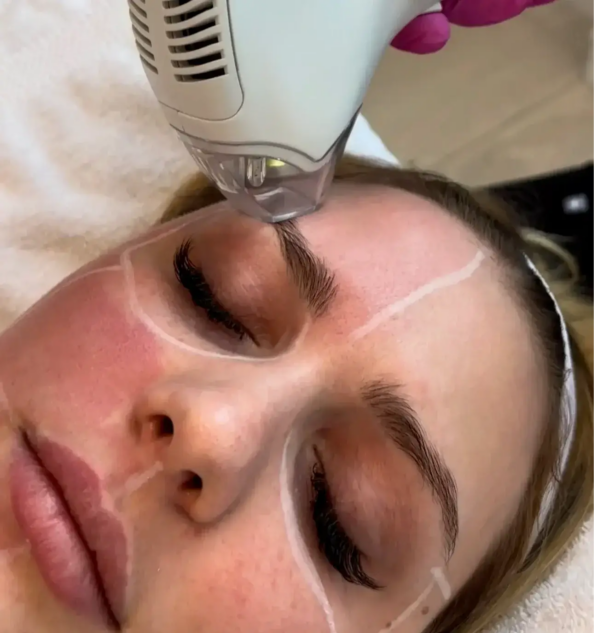
Tixel is a cutting-edge skin rejuvenation technology that uses thermal energy rather than laser light to resurface the skin. The treatment involves a device tipped with tiny, heated titanium pyramids that gently touch the skin’s surface.
These contact points create microthermal zones, stimulating collagen and elastin production while leaving surrounding tissue unharmed. Unlike lasers, Tixel does not rely on light energy, which makes it safer for a wider range of skin tones.
Benefits of Tixel:
- Shorter downtime compared to most lasers
- Reduced risk of post-inflammatory hyperpigmentation
- Safe for all skin types, including darker complexions
- Less discomfort during and after treatment
- Natural regeneration with visible improvements in scars, fine lines, and texture
Clinical Insight: Research has shown that Tixel effectively improves skin tone, acne scars, and fine lines with minimal discomfort and very little recovery time.
2. How Do Traditional Laser Treatments Work?
Traditional laser resurfacing remains a powerful option for addressing deeper wrinkles, severe acne scarring, and significant pigmentation issues. These treatments use focused light energy to either remove outer layers of skin (ablative lasers) or penetrate deeper to stimulate collagen production (non-ablative lasers).
Two of the most commonly used lasers are:
- CO₂ Lasers: Very effective for deep wrinkles and scars, but with longer downtime.
- Erbium YAG Lasers: A gentler option, often used for moderate resurfacing and pigmentation.
What to Expect:
During treatment, the laser precisely targets damaged tissue, encouraging skin to remodel itself over the following weeks. While results can be dramatic, they often require several sessions.
Clinical Note: Laser resurfacing is highly effective but tends to involve longer recovery times—often including redness, swelling, and peeling. Additionally, lasers carry a higher risk of hyperpigmentation in individuals with darker skin tones, which is why careful assessment is necessary.
3. Comparing Efficacy and Recovery
When it comes to results, both Tixel and lasers can dramatically improve the skin, but the experience is very different.
| Feature | Tixel Resurfacing | Traditional Laser Resurfacing |
| Mechanism | Thermal conduction via titanium tips | Laser light energy |
| Downtime | 1–3 days | 5–14 days |
| Suitability for Skin Types | All, including darker tones | Lighter to medium tones preferred |
| Pain / Discomfort | Mild to moderate | Moderate to high |
| Risk of Pigmentation | Low | Moderate to high |
| Targeted Concerns | Fine lines, acne scars, pigmentation | Deep wrinkles, scars, pigmentation |
Insight: If you’re looking for dramatic correction and can accommodate more recovery, lasers may be the right choice. If you prefer a gentle but effective option with minimal downtime, Tixel is ideal.
4. Who Is the Ideal Candidate for Tixel?
Tixel is especially beneficial for clients who:
- Have mild to moderate acne scars
- Want smoother, more radiant skin without a long recovery period
- Have darker skin tones and are concerned about hyperpigmentation risks from lasers
- Are new to resurfacing treatments and want a non-laser alternative
- Prefer subtle, natural improvements that build with a series of treatments
Clinical Note: At Victoria Rose Aesthetics, we perform a thorough skin assessment before recommending Tixel. In some cases, Tixel may be combined with other procedures for enhanced results.
5. Combining Treatments for Enhanced Results
One of the biggest advantages of Tixel is that it can be safely combined with other skin treatments to accelerate and enhance results. At Victoria Rose Aesthetics, we often recommend integrating Tixel into a broader treatment plan that may include:
- PRP Therapy (Platelet-Rich Plasma): Boosts collagen production and speeds up healing.
- Chemical Peels: Improves brightness, reduces discoloration, and enhances skin smoothness.
- Microneedling: Works synergistically with Tixel to reduce scars and fine lines.
Insight: Combination therapy allows us to target multiple layers of the skin, providing more dramatic and longer-lasting improvements in overall skin health and appearance.
6. Choosing Between Tixel and Lasers
When deciding between Tixel and traditional laser resurfacing, the choice often comes down to your skin type, lifestyle, and treatment goals.
- Choose Tixel if:
- You want rejuvenation with minimal downtime
- You have a darker skin tone or are prone to pigmentation
- Your concerns include mild to moderate acne scars, fine lines, or uneven tone
- Choose Laser Resurfacing if:
- You’re addressing deeper wrinkles or severe scarring
- You’re comfortable with longer downtime for more dramatic results
- You’re seeking aggressive resurfacing in fewer sessions
At Victoria Rose Aesthetics, we guide each client through these options during consultation, ensuring the treatment plan is personalized and safe.
Conclusion
Both Tixel skin resurfacing and traditional laser treatments offer powerful solutions for rejuvenating the skin, improving texture, and reducing signs of aging or scarring. The difference lies in downtime, safety profile, and intensity of results.
- Tixel is a low-downtime, versatile option suitable for all skin types, including those at risk of pigmentation issues.
- Lasers remain the gold standard for deeper corrections, though they require more recovery and carry higher risks for certain skin tones.
At Victoria Rose Aesthetics in Pickering, our goal is to help you achieve glowing, youthful skin in the safest, most effective way possible. Whether through Tixel, lasers, or a combination of treatments, we customize every plan to your needs and lifestyle.
Ready to discover which skin resurfacing treatment is right for you? Book your consultation today and take the first step toward radiant, confident skin.
Visit us at our Pickering clinic
victoriaroseaesthetics.ca
Call to schedule your consultation: (905) 903-3300
