


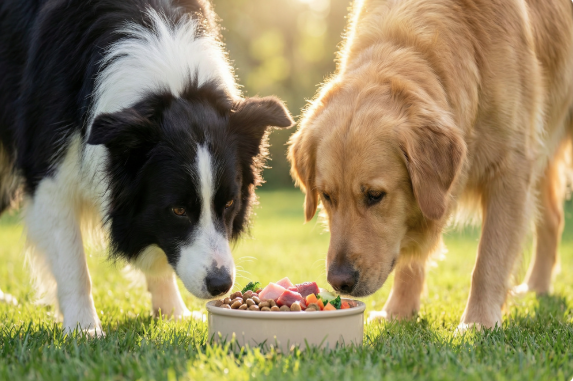
That bag of kibble in your pantry might be holding your dog back. Maybe you’ve noticed the signs already. The scratching that never stops and the naps that stretch all afternoon. The coat that feels rough no matter how much you brush it. Switching dog food feels risky. What if your pup hates it? What if they experience an upset stomach? These worries lead to owners using mediocre food long term. However, dogs can adjust to improved diets more quickly than expected, leading to significant benefits.
Start with a Health Check
Take a good look at your dog right now. Feel along their sides. Those ribs should be easy to find without digging through layers of fat, but they shouldn’t poke out either. A healthy coat has shine. It feels smooth, not greasy or brittle. Check inside their mouth too. Pink gums signal good health. Pale or bright red gums suggest problems. And the smell? Dog breath will never be minty fresh, but it shouldn’t clear the room either.
Understanding Food Quality
Dog food quality varies wildly. Some brands pack their bags with cheap fillers that offer almost zero nutrition. Others focus on whole ingredients that actually fuel your dog’s body. The primary ingredient should be real meat. Chicken, beef, lamb, or fish. No vague terms like “poultry by-product meal.” Vegetables and grains also offer the fiber and vitamins dogs require.
How factories handle these ingredients makes a massive difference. Old-school methods blast everything with extreme heat, destroying nutrients in the process. Smart companies like Nextrition now produce cold-pressed dog food, which keeps temperatures low and preserves way more nutritional value. Dogs digest these foods better and get more benefit from each bowl. Skip anything loaded with corn meal, mysterious meat meals, or ingredients you can’t pronounce. Artificial colors exist purely for marketing. Dogs don’t care whether their kibble is red or brown.
Making the Transition
Never dump out the old food and fill the bowl with new stuff. That’s asking for digestive disaster. Smart switches take about two weeks. Day one looks almost normal. Replace just a quarter of the regular food with the new option. Mix it well. Most dogs won’t even notice. After three days without problems, bump it up to half and half. Keep going until you’ve fully switched over.
Stubborn dogs can be reluctant at first. Warm water or bone broth usually works. Plain pumpkin from a can is also suitable. Just a spoonful mixed in makes everything more interesting. Hunger often prevails. When a dog is healthy, it will not starve itself over a matter of food preference.
Monitoring Progress
Patience pays off here. Your dog’s body needs time to adjust and rebuild. Six weeks gives you a fair picture of how the new food performs. The first changes often show up in the litter box, so to speak. Smaller, firmer stools mean better digestion. Less gas too. Within a month, many dogs shed less. Their coats get softer. Energy picks up gradually as their bodies learn to use better fuel.
Some dogs slim down without eating less. Others fill out if they were too skinny before. Every dog responds differently. That’s why those initial notes matter. Compare monthly to spot trends. Weight shifts might require portion adjustments. Use the bag’s suggestions as a baseline, then adjust. Active dogs require more fuel than inactive ones.
Conclusion
Dogs eat what you give them without complaint. That trust deserves respect. Dietary changes seem daunting initially but become simpler with practice. Quality ingredients and smart processing create healthier, happier dogs. Today’s efforts yield lasting benefits. Every meal can improve your dog’s health. That’s a choice worth making.
