


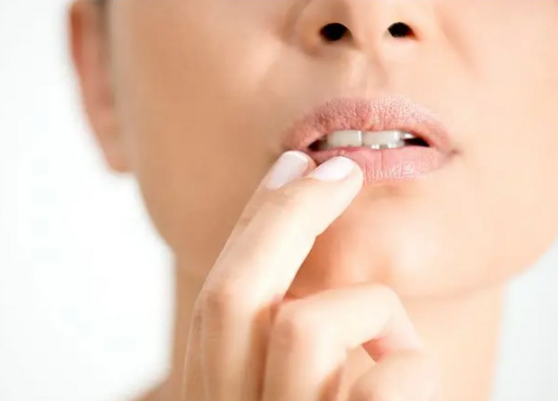
Dark spots on the lips are a common concern for many people, often affecting confidence as well as overall appearance. Because the lips are one of the most delicate parts of the body, they require special care and attention. Unlike the rest of the skin, the lips do not have oil glands to keep them naturally moisturized, which makes them more vulnerable to dryness, pigmentation, and environmental damage. When discoloration appears, many people begin searching for clear answers about dark spots on lips causes and how they can restore an even, healthy tone.
Understanding the real reasons behind lip pigmentation is the first step toward effective care. Several factors can contribute to changes in lip color, and in most cases, these spots are harmless. With the right skincare routine, healthy lifestyle choices, and consistent protection, it is possible to improve the appearance of the lips and maintain a naturally brighter look. This guide explores the causes in detail while offering practical tips to support long-term lip health.
Understanding Lip Pigmentation
Lip color varies from person to person. Natural pigmentation depends on melanin, the pigment responsible for the color of our skin, hair, and eyes. Some individuals naturally have slightly darker lips due to genetics. However, when dark patches suddenly appear or become more noticeable over time, external or internal factors may be involved.
Melanin production increases when the skin tries to protect itself from damage. If the lips are exposed to triggers such as sunlight, irritation, or dryness, the body may respond by producing more pigment in specific areas. This can result in uneven tone or visible dark spots.
It is important to distinguish between natural lip tone and changes that occur due to lifestyle or environmental influences. Observing when the spots appeared and whether they are changing can help identify possible causes.
Common Causes of Dark Spots on Lips
Dark spots on the lips can develop for several reasons. One of the most frequent causes is excessive sun exposure. The lips are often forgotten when applying sun protection, yet they are directly exposed to ultraviolet rays. Prolonged exposure stimulates melanin production, which can lead to pigmentation over time.
Another major cause is dehydration. When the lips lack moisture, they become dry and cracked. Repeated dryness weakens the protective barrier, making the lips more sensitive to environmental damage. This ongoing stress can gradually cause discoloration in certain areas.
Lifestyle habits also play a role. Smoking, for example, is strongly linked to lip darkening. Heat and chemicals from tobacco can irritate the delicate skin of the lips and reduce oxygen supply to the area. Over time, this may lead to noticeable pigmentation changes.
Frequent use of low-quality or expired lip products may contribute as well. Some lipsticks, lip balms, or glosses contain ingredients that may not suit sensitive skin. If irritation occurs regularly, the lips may respond with increased pigmentation.
Hormonal changes are another possible factor. Fluctuations in hormones can influence melanin production. This is sometimes observed during pregnancy or certain medical conditions. While hormonal pigmentation often affects larger areas of skin, the lips can also be involved. Allergic reactions should also be considered. Ingredients in toothpaste, lip care products, or even certain foods can trigger mild inflammation. If the irritation persists, dark spots may gradually develop in affected areas.
The Impact of Sun Exposure on Lip Color
Sun exposure deserves special attention because it is one of the leading causes of lip pigmentation. The skin on the lips is thin and lacks protective melanin compared to other areas. When exposed to ultraviolet rays without protection, it can easily become damaged.
Repeated sun exposure not only causes dark spots but can also accelerate aging of the lips. Fine lines, dryness, and uneven tone may appear more quickly. Over time, sun damage accumulates and makes pigmentation more difficult to reverse. Using a lip balm with sun protection factor is a simple yet powerful step in preventing further darkening. Daily protection is essential, even on cloudy days, because ultraviolet rays can penetrate through clouds and still affect the skin.
Dehydration and Lip Health
Hydration plays a crucial role in maintaining even lip tone. When the body lacks sufficient water, the lips are often among the first areas to show signs of dryness. Cracked lips can become inflamed, and repeated inflammation may lead to pigmentation. External hydration is equally important. A nourishing lip balm helps create a protective barrier that locks in moisture and shields the lips from environmental stress. Ingredients such as shea butter, natural oils, and vitamin E can support healing and maintain softness.
Consistency is key. Applying lip balm only when lips feel dry is not enough. Regular care keeps the barrier strong and reduces the risk of discoloration over time.
The Role of Lifestyle Habits
Certain habits can influence lip pigmentation more than many people realize. Smoking is widely recognized for its negative effects on health, but it also affects the appearance of the lips. Heat exposure and chemical contact can gradually darken the lip surface.
In addition, excessive caffeine intake may contribute indirectly by promoting dehydration. When hydration levels drop, lip dryness increases, which may lead to uneven tone over time. Poor nutrition can also impact lip health. A diet lacking essential vitamins, especially vitamin B and iron, may cause changes in skin appearance. Supporting overall health through balanced nutrition often reflects positively on the lips.
Choosing the Right Lip Products
Lip care products should be selected carefully. Many people focus on color and texture but overlook ingredient lists. Fragrances, artificial dyes, and harsh preservatives can irritate sensitive lips.
If you notice pigmentation developing after using a specific product, it may be wise to discontinue use and observe whether the condition improves. Opting for gentle, dermatologically tested formulas reduces the likelihood of irritation. Exfoliation can also be beneficial when done correctly. Gentle exfoliation removes dead skin cells and encourages renewal. However, excessive scrubbing can damage the delicate lip tissue and worsen pigmentation. A mild, occasional approach is more effective than aggressive treatment.
Skincare Tips for Brighter, Healthier Lips
Improving the appearance of dark spots requires patience and consistency. One of the most effective steps is daily sun protection. A lip balm with sun protection factor should be applied every morning and reapplied throughout the day.
Hydration from within is equally important. Drinking adequate water supports overall skin health and helps maintain natural lip softness. Combining internal hydration with external moisture creates a strong defense against discoloration. Natural remedies may offer gentle support. Ingredients such as aloe vera or natural oils can soothe the lips and promote healing. While results vary from person to person, consistent care often leads to gradual improvement. Maintaining a balanced skincare routine also benefits the lips. When applying facial products, ensure that harsh exfoliants or strong treatments do not come into contact with the lips, as this may trigger irritation.
When to Seek Professional Advice
In most cases, dark spots on the lips are harmless and manageable with proper care. However, if a spot changes in size, shape, or color, or if it appears suddenly without a clear reason, consulting a qualified healthcare professional is recommended. A professional evaluation can help determine whether the pigmentation is related to a medical condition or requires specialized treatment. Early assessment provides peace of mind and ensures appropriate care if needed.
Preventing Future Pigmentation
Prevention is always easier than correction. Protecting the lips from sun exposure, maintaining hydration, and choosing gentle products form the foundation of prevention. Avoiding habits that contribute to dryness or irritation further reduces risk.
Consistency matters more than intensity. Small daily actions, such as applying protective balm and staying hydrated, have a cumulative effect over time. The lips respond well to gentle, ongoing care.
Final Thoughts
Dark spots Near me on the lips can feel concerning, but they are often the result of manageable factors such as sun exposure, dryness, lifestyle habits, or product irritation. Understanding these causes empowers you to take practical steps toward improvement. Healthy lips require attention just like the rest of your skin. By focusing on protection, hydration, balanced nutrition, and thoughtful product choices, you can support an even and natural lip tone. With patience and consistent care, visible improvements are possible, and your lips can regain a smoother, brighter appearance over time.
