


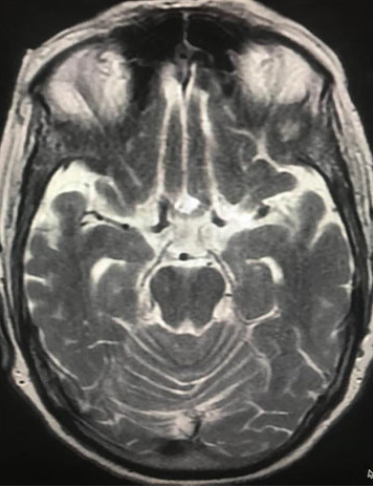
Brain aneurysms are quiet killers that have a vast number of victims globally. Unfortunately, the majority of people remain unaware of such dangerous outcomes until it is already gone. Comprehending the right moment for a consultation with an endovascular neuroradiologist, such as Dr. Arvind Nanda at Amrita Hospital Faridabad, could convert the whole scenario into a life-or-death situation.
What is a Brain Aneurysm?
A brain aneurysm is a balloon-like lump in a vessel in your brain that resembles a small fruit hanging on a stalk. When the ruptured aneurysm event is initiated, it means that the blood pressure that was normal for the weakened artery wall is not strong enough. The wall goes on to bulge, thus making a hazardous situation which can lead to severe bleeding if the break occurs.
The Silent Killer: Why Awareness Matters
Dr. Arvind Nanda, a renowned endovascular neuroradiologist with over 20 years of experience, emphasises that brain aneurysms are often called “silent killers” because they typically show no symptoms until they rupture. When rupture occurs, it becomes a medical emergency with devastating consequences:
– 50-60% mortality rate within the first 24 hours
– 25% of survivors suffer permanent neurological damage
– Only 15-20% make a complete recovery
Critical Warning Signs: When to Seek Immediate Help
Emergency Symptoms (Ruptured Aneurysm):
If you experience any of these symptoms, seek emergency medical attention immediately:
- “The worst headache of your life” – sudden, severe headache unlike any previous headache
- Neck stiffness accompanied by severe headache
- Nausea and vomiting with severe headache
- Sensitivity to light (photophobia)
- Vision problems – blurry or double vision
- Seizures or sudden loss of consciousness
- Weakness or numbness on one side of the body
Warning Signs of Unruptured Aneurysm:
MOST unruptured aneurysms do not show symptoms. Nevertheless, the mentioned one can lead such as:
– Headaches that are localized in the area where the aneurysm is
– The pain in the eye that is caused by something above or behind
– The numbness or the weakness that is present only on one side of the face
– The dilated pupils
– Changes in vision or speech
When to Consult an Endovascular Neuroradiologist
- Family History: If you have a family history of brain aneurysms, strokes, or sudden, unexplained deaths
- Risk Factors Present: High blood pressure, smoking, excessive alcohol consumption, drug use (primarily cocaine)
- Suspicious Symptoms: Any combination of the warning signs mentioned above
- Incidental Discovery: If an aneurysm is discovered during imaging for other conditions
Expert Opinion from Dr. Arvind Nanda
Dr. Arvind Nanda, Senior Consultant at Amrita Hospital, Faridabad, brings unparalleled expertise to aneurysm management. With his extensive training, including:
– MD in Radiodiagnosis from Sri Ramachandra Medical College
– Senior Residency in Neuroradiology at AIIMS, New Delhi
– Advanced training at University Hospital, Zurich, Switzerland
– International exposure at Beaujon Hospital, Paris and Baylor College of Medicine, Houston
Dr. Nanda has successfully treated countless patients with complex aneurysms using state-of-the-art endovascular techniques.
Revolutionary Endovascular Treatments Available
1. Endovascular Coiling
This minimally invasive procedure involves:
– Inserting a catheter through the groin or wrist
– Threading it to the brain aneurysm
– Placing tiny platinum coils inside the aneurysm
– Blocking blood flow to prevent rupture
Advantages:
– No skull opening required
– Faster recovery time
– Lower risk of complications
– Can be performed under local anesthesia
2. Stent-Assisted Coiling
For complex aneurysms, Dr. Nanda employs advanced techniques combining:
– Placement of a stent to support the vessel
– Coiling to seal the aneurysm
– Enhanced durability and success rates
3. Flow Diversion Stents
The latest technology that:
– Redirects blood flow away from the aneurysm
– Promotes natural healing of the vessel wall
– Ideal for large or complex aneurysms
4. Balloon-Assisted Techniques
Specialised procedures for challenging aneurysm locations using temporary balloons to ensure precise coil placement.
Dr. Arvind Nanda’s Comprehensive Expertise
– Aneurysm Coiling (Balloon/Stent Assisted)
– AVM Embolisation (Glue/Onyx)
– Carotid Stenting
– Intracranial Stenting
– Acute Stroke Interventions
– Brain Haemorrhage Management
The Fatal Consequences of Delayed Treatment
Why Time is Critical:
- Rapid Deterioration: Brain aneurysms, however, when ruptured, are capable of wreaking permanent brain injuries in a very short time span.
- Rebleeding Risk: There is a likelihood of a quarter for rebleeding during the first 24 hours if the condition is not given proper treatment.
- Complications: Hydrocephalus, vasospasm, and permanent neurological deficits
- Mortality: Each hour of delay increases mortality risk significantly
Prevention and Early Detection
Risk Factor Management:
– Blood Pressure Control: Maintain optimal BP levels
– Smoking Cessation: Reduces aneurysm formation risk by 50%
– Alcohol Moderation: Limit excessive consumption
– Regular Screening: For high-risk individuals
Advanced Imaging at Amrita Hospital:
– High-resolution MRA (Magnetic Resonance Angiography)
– CT Angiography for detailed vessel visualisation
– Digital Subtraction Angiography for precise diagnosis
State-of-the-Art Facilities:
- 24/7 Emergency Services for stroke and aneurysm cases
- Advanced Neuroimaging Suite with latest technology
- Dedicated Neuro ICU for critical care
- Multidisciplinary Team approach
- International Standards of care
The Insias Scenario: A Wake-Up Call
The term “insias scenario” in the brain aneurysm context refers to the insidious nature of these conditions – they develop silently, progress without warning, and strike suddenly with devastating consequences. This scenario highlights why proactive consultation with specialists like Dr. Arvind Nanda is crucial.
Key Takeaways:
- Do not wait for symptoms: Aneurysms most of the time have no symptoms before breaking
- Be aware of your family history: Inheritance of a particular gene gives higher chances of getting a disease
- Consult a professional: The specialists in the endovascular area can give you the solutions that can save your life
- Be fast: If you have emergency symptoms, you need to see a doctor immediately
- Go for experience: Dr. Nanda’s 20+ years of experience is your guarantee of the best results
Conclusion: Your Life Depends on Awareness
Brain aneurysms do not indicate their existence until it is very late. The skills of specialists in endovascular neuroradiology like Dr. Arvind Nanda from Amrita Hospital Faridabad, is what patients having this silent menace can look forward to. By combining innovative endovascular methods with his years of experience, Dr. Nanda has significantly altered the aneurysm treatment scenario in the Delhi NCR region.
Keep in mind: The difference between survival and death in brain aneurysm situations is very subtle – it is often early detection and the right hands intervention. Don’t let ignorance be your downfall
This blog is for educational purposes. If you suspect you have symptoms of a brain aneurysm, seek immediate medical attention. For consultations with –
Dr. Arvind Nanda
Senior Consultant – Endovascular Neuroradiology
Amrita Hospital, Faridabad
RPS City, Sector 88, Faridabad, Haryana 121002qa
