


The end of one-size-fits-all medicine
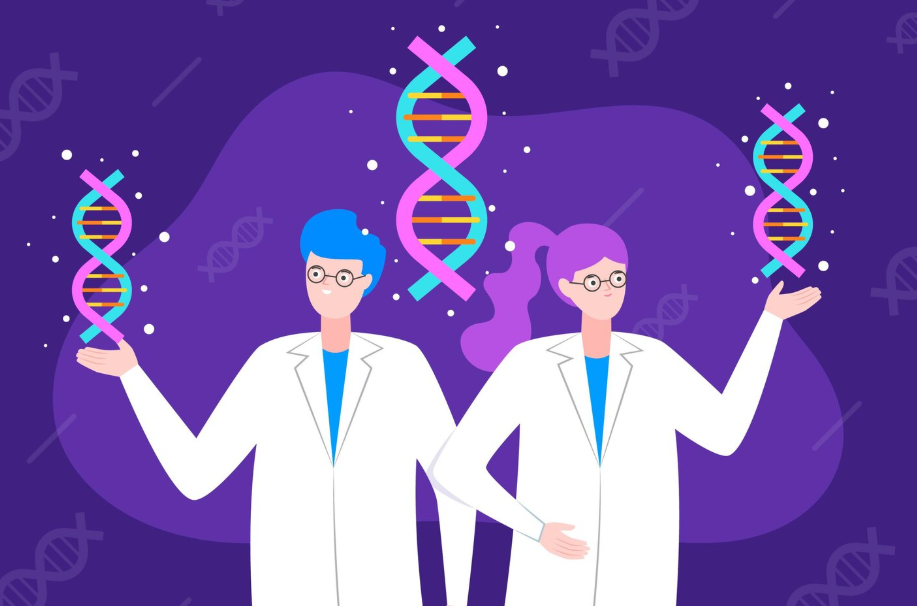
When two people take the same medication but experience different results, the explanation often lies deep within their genes. For decades, doctors prescribed drugs using population averages—what worked for most was assumed to work for all. That assumption is rapidly fading as personalised medicine enters the clinical mainstream.
By analysing how genetic variations affect drug metabolism, doctors can now tailor prescriptions to each individual, increasing efficacy while reducing side effects.
Understanding pharmacogenomics
The science behind this shift is called pharmacogenomics, which studies how genes influence a person’s response to medications. Certain gene variants affect how the body processes drugs for heart disease, depression, or cancer therapy.
For example, variations in the CYP450 enzyme family determine whether someone metabolises a drug too quickly or too slowly. Knowing this in advance can prevent dangerous overdoses or ineffective treatments.
The global movement toward precision
Hospitals and research centres worldwide are adopting pharmacogenomic testing panels for high-impact drugs. These tests help clinicians adjust doses or select alternative medications with greater accuracy.
In oncology, they have already revolutionised treatment—allowing doctors to target tumour-specific mutations rather than relying on broad chemotherapy. In psychiatry, they are helping identify antidepressants likely to work for a particular patient, reducing trial-and-error cycles that can take months.
Why personalisation matters in public health
Beyond clinical outcomes, personalised medicine offers a humane benefit: it respects biological individuality. No two patients metabolise, respond, or recover in exactly the same way.
By treating people based on their genetic and metabolic profile, medicine becomes more efficient and compassionate at once.
Technology as the backbone
Advances in data analytics, electronic health records, and cloud computing have made personalised medicine scalable. Algorithms can now cross-reference genetic data with global clinical studies to recommend drug protocols in minutes.
Integration with wearable devices and lifestyle data further refines recommendations, creating a holistic health model that extends beyond the hospital.
The ethical equation
Precision medicine also raises ethical and logistical questions—chiefly around data privacy, affordability, and access. Genetic testing remains more common in urban hospitals, and cost continues to be a barrier for many.
Experts warn that unless such innovations are democratized, personalised care may widen the gap between those who can afford genomic testing and those who cannot. Transparent policies and subsidies will be crucial to ensure inclusivity.
The road ahead
In the coming years, pharmacogenomics could become as routine as blood tests. Paired with digital health tools and AI-based analytics, it may help doctors build real-time treatment maps unique to every patient.
As healthcare evolves from reactive treatment to predictive and preventive care, personalised medicine represents its most scientific—and most human—expression.
Your genes hold more than ancestry—they hold insights for a healthier life. Learn how DNA-based testing can guide lifestyle choices under DNA Decoder.
